Foot Care

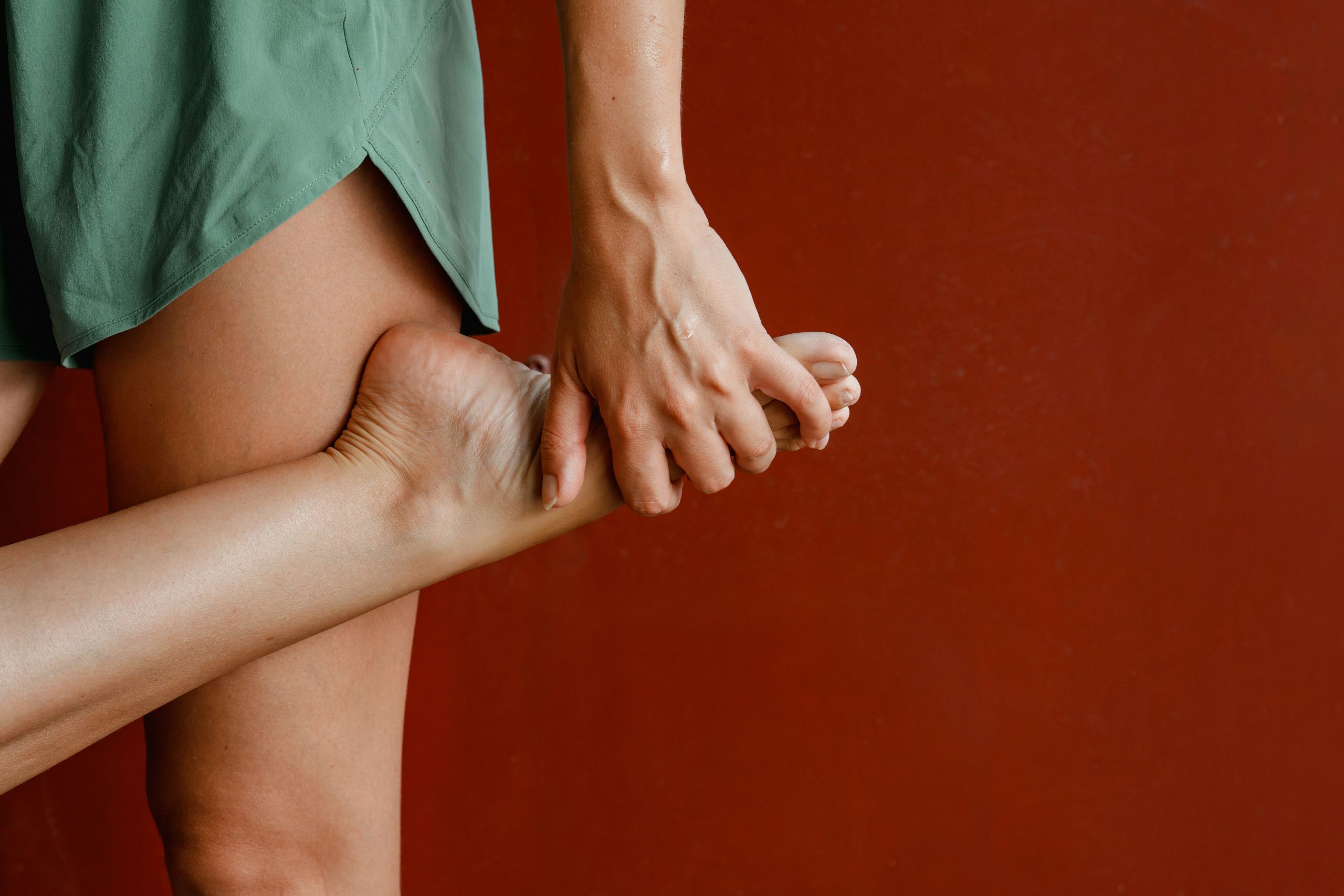
A person in green shorts stretches by holding their foot behind them against a red background

Corns vs. Calluses: What’s the Difference?

Corns and calluses are two of the most common problems affecting the skin of the feet. They can both develop when repeated pressure or friction causes the skin to thicken, and because they can look similar, many people use the terms interchangeably.

However, corns and calluses are not exactly the same. Their appearance, location, and symptoms can differ, and understanding the difference can help you determine when simple changes to your footwear may be enough and when professional care may be appropriate.

At Central Arkansas Foot and Ankle Specialists, we regularly evaluate painful areas of thickened skin and help patients identify the underlying cause. Effective foot care is not only about treating the thickened skin itself. It is also about addressing the pressure or friction that caused it.
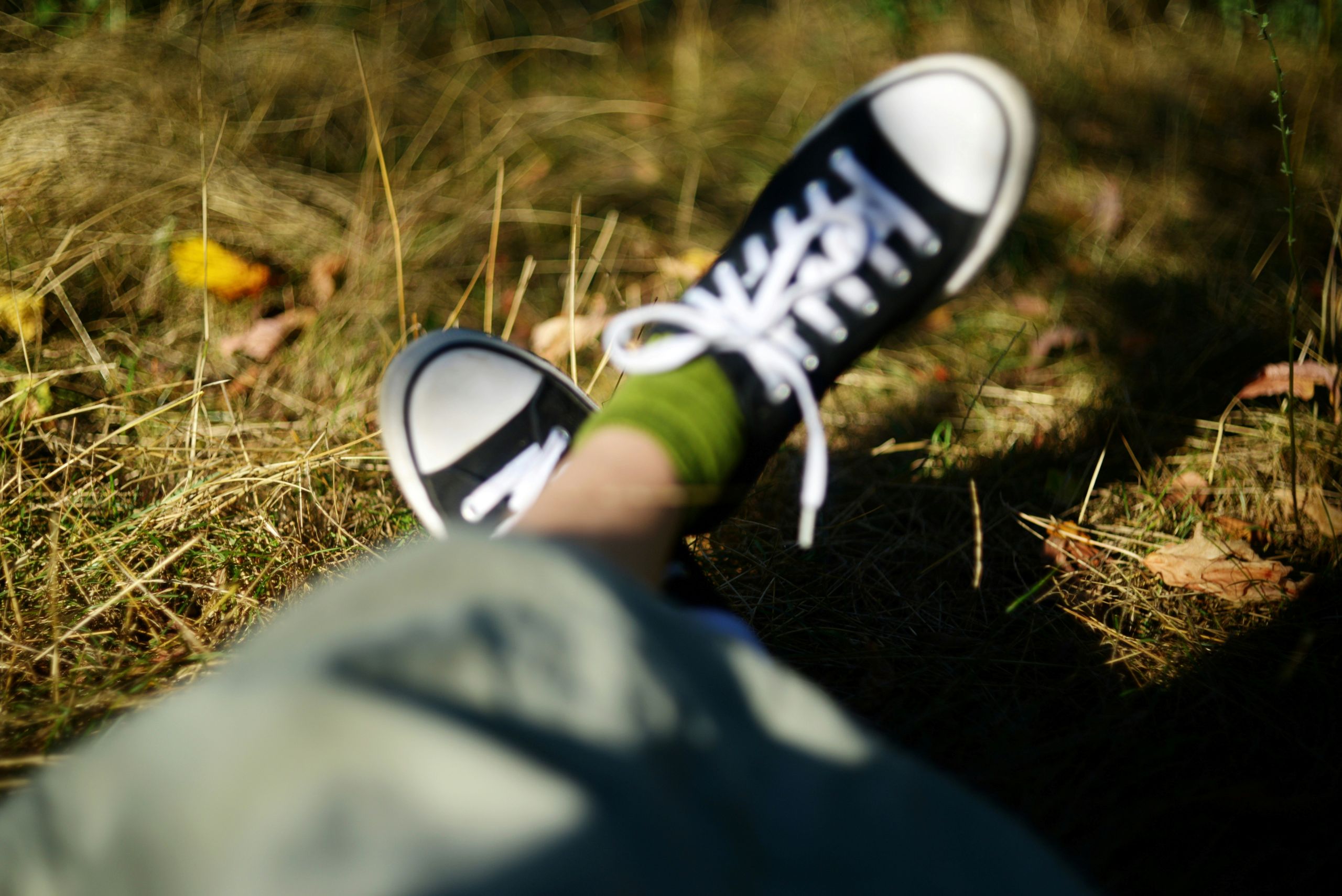

A person wearing green socks and black-and-white sneakers sits on dry grass, with the photo focusing on their shoes, showing how aging feet looks, and blurred background.

How Aging Changes Your Feet

As we get older, changes in our feet can be easy to overlook. A little more stiffness in the morning, occasional swelling after a long day, or shoes that no longer feel as comfortable may seem like normal parts of aging. While some changes are expected, persistent foot discomfort should not simply be accepted as something you have to live with.

Your feet support your body through thousands of steps every day. Over time, changes in the skin, muscles, bones, joints, tendons, and circulation can affect how your feet function. Understanding these changes can help you recognize problems earlier and take better care of your feet.

At Central Arkansas Foot and Ankle Specialists, our goal is to help patients maintain comfortable, functional feet throughout every stage of life. With appropriate foot and ankle care, many age-related problems can be managed before they interfere with daily activities.

Close-up of a runner in a starting position on a red track, hands on the ground and one knee bent, ready to sprint. The persons face is not visible.

Athlete’s Foot: Prevention, Symptoms, and Treatment

An itchy foot might not seem like a big deal at first. Many people assume dry skin, a little redness, or occasional irritation will eventually go away on its own. Unfortunately, that’s not always the case.

Athlete’s foot is one of the most common conditions treated in podiatry offices, and despite its name, you don’t have to be an athlete to develop it. In fact, anyone can experience this fungal infection, especially during Arkansas summers when heat and humidity create the perfect environment for it to thrive.

At Central Arkansas Foot and Ankle Specialists, we regularly help patients who have been dealing with symptoms for weeks or even months before seeking professional care. Understanding how athlete’s foot develops, how to recognize the symptoms, and when to seek foot and ankle treatment can help you protect your long-term foot health.

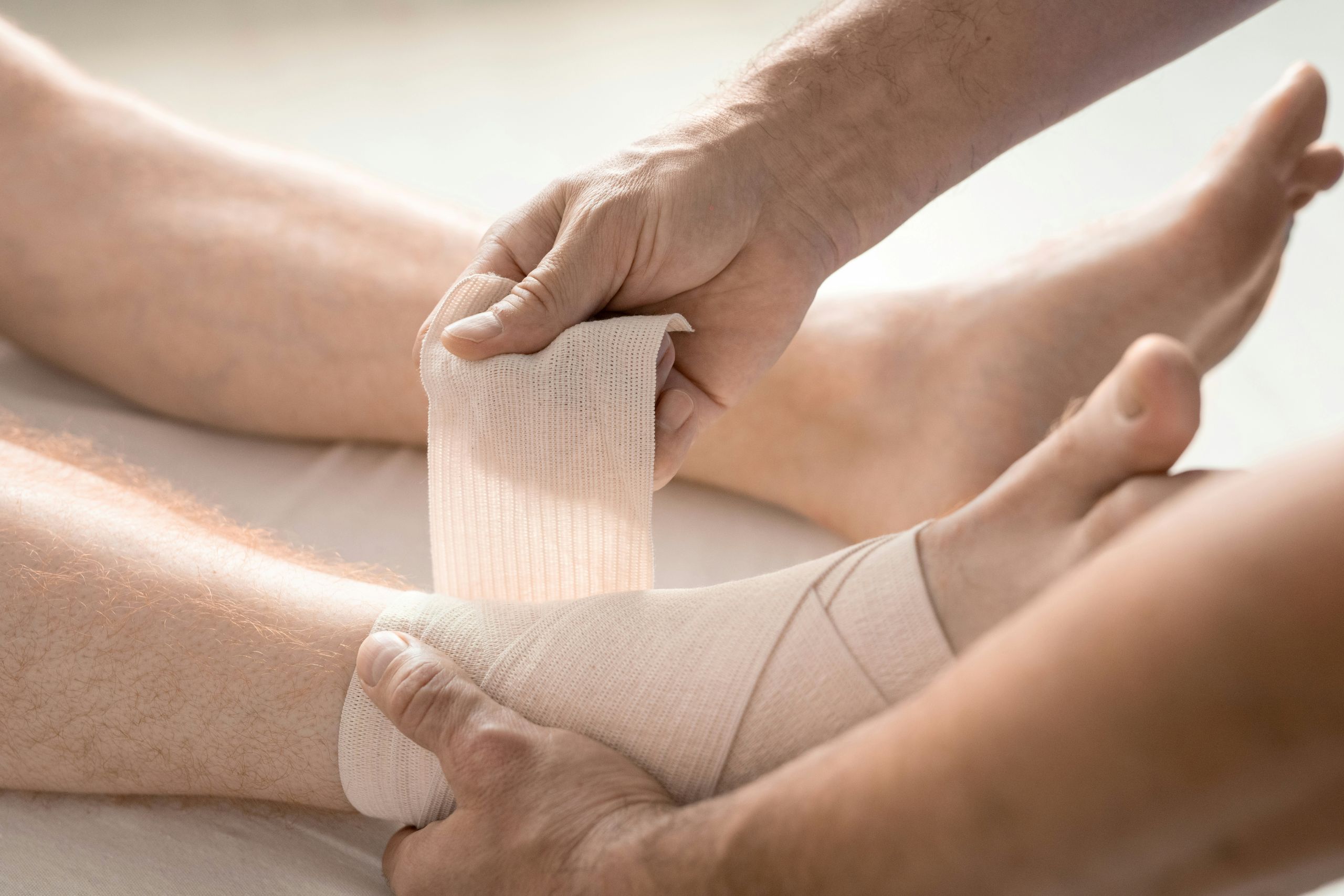
A close-up of hands wrapping a bandage around a persons injured ankle, providing support and care. The person is lying down with their leg extended.

Why Your Ankles Keep Rolling and How to Improve Stability

One ankle sprain can happen to anyone. You step off a curb awkwardly, land the wrong way during a workout, or lose your footing while walking across uneven ground. But when your ankles seem to roll repeatedly, it’s usually a sign that something more is going on.

At Central Arkansas Foot and Ankle Specialists, we often treat patients who have experienced multiple ankle injuries over the years. Many assume that occasional ankle sprains are simply part of an active lifestyle, but recurring injuries can weaken the structures that support the ankle and create long-term instability.

If you’ve started to avoid certain activities because you don’t trust your ankles anymore, it may be time to take a closer look at what’s causing the problem.

A person who seems to have toe cramps, sits barefoot next to a white high heel labeled Jimmy Choo and a black sneaker with red and white stripes, all on a marbled floor

Why Your Toes Cramp and What You Can Do About It

Have you ever been relaxing on the couch when your toes suddenly curl and tighten without warning? Maybe it happened during a walk around your neighborhood, in the middle of the night, or while exercising. Toe cramps are surprisingly common, yet many people dismiss them as nothing more than a minor inconvenience.

At Central Arkansas Foot and Ankle Specialists, we see patients throughout Arkansas who are frustrated by recurring cramps that interfere with their daily activities. While occasional cramping may not be a cause for concern, frequent episodes can point to an underlying problem that deserves attention.

Understanding why your toes cramp and knowing what you can do about it can help you stay comfortable and prevent more serious foot issues from developing.

A woman sits in a medical chair smiling, arms crossed, while a healthcare professional examines her toenail health. She looks relaxed.

What Your Toenails Can Reveal About Your Health

Most people think of their toenails as purely cosmetic, but they can actually provide valuable insight into your overall health. Changes in color, texture, thickness, or shape may be more than an appearance issue. In many cases, your toenails are one of the first places where underlying health concerns begin to show.

At Central Arkansas Foot and Ankle Specialists, we often remind patients that healthy feet include healthy nails. Paying attention to subtle changes can help you identify problems early and seek treatment before they become more serious.

If you’ve noticed your toenails looking different lately, here’s what they might be trying to tell you.

Close-up of a person sitting with legs extended, using both hands to gently stretch and massage the toes of one foot, suggesting improved foot circulation and relaxation as part of a soothing foot care routine.

How Heat Affects Foot Circulation and What to Do About It

Hot weather can affect the body in many ways, and your feet are often one of the first places where those changes become noticeable. During warmer months, many people experience swelling, heaviness, discomfort, or fatigue in their feet and ankles without realizing that heat and circulation are closely connected. At Central Arkansas Foot and Ankle Specialists, we regularly help patients manage circulation-related foot issues that become more noticeable during periods of high temperatures and increased activity.

Understanding how heat affects circulation can help you recognize early warning signs, protect your foot health, and prevent more serious complications from developing over time.

Person wearing green cactus-patterned socks and white sneakers, sitting on sandy ground with legs crossed. The image is taken from their perspective, showing their lower legs and feet—perfect for sharing foot and ankle care tips in the warm, soft sunlight.

Foot Care Tips for Long Walks, Vacations, and Travel

Travel often sounds relaxing in theory, but your feet may tell a different story by the end of the trip. Long days of sightseeing, extended airport walks, standing in lines, and hours spent in unfamiliar shoes can quickly lead to soreness, swelling, and fatigue. At Central Arkansas Foot and Ankle Specialists, we regularly see patients dealing with foot pain after vacations or travel-heavy schedules, especially during the busy summer season. We’ve prepared a handful of foot care tips to prepare you for your next trip for a pain-free experience.

The good news is that many travel-related foot problems are preventable. Taking care of your feet before and during a trip can make a major difference in your comfort, mobility, and overall experience. Whether you are preparing for a family vacation, work trip, or weekend getaway, a proactive approach to foot care for travel helps reduce discomfort and keeps you moving comfortably.

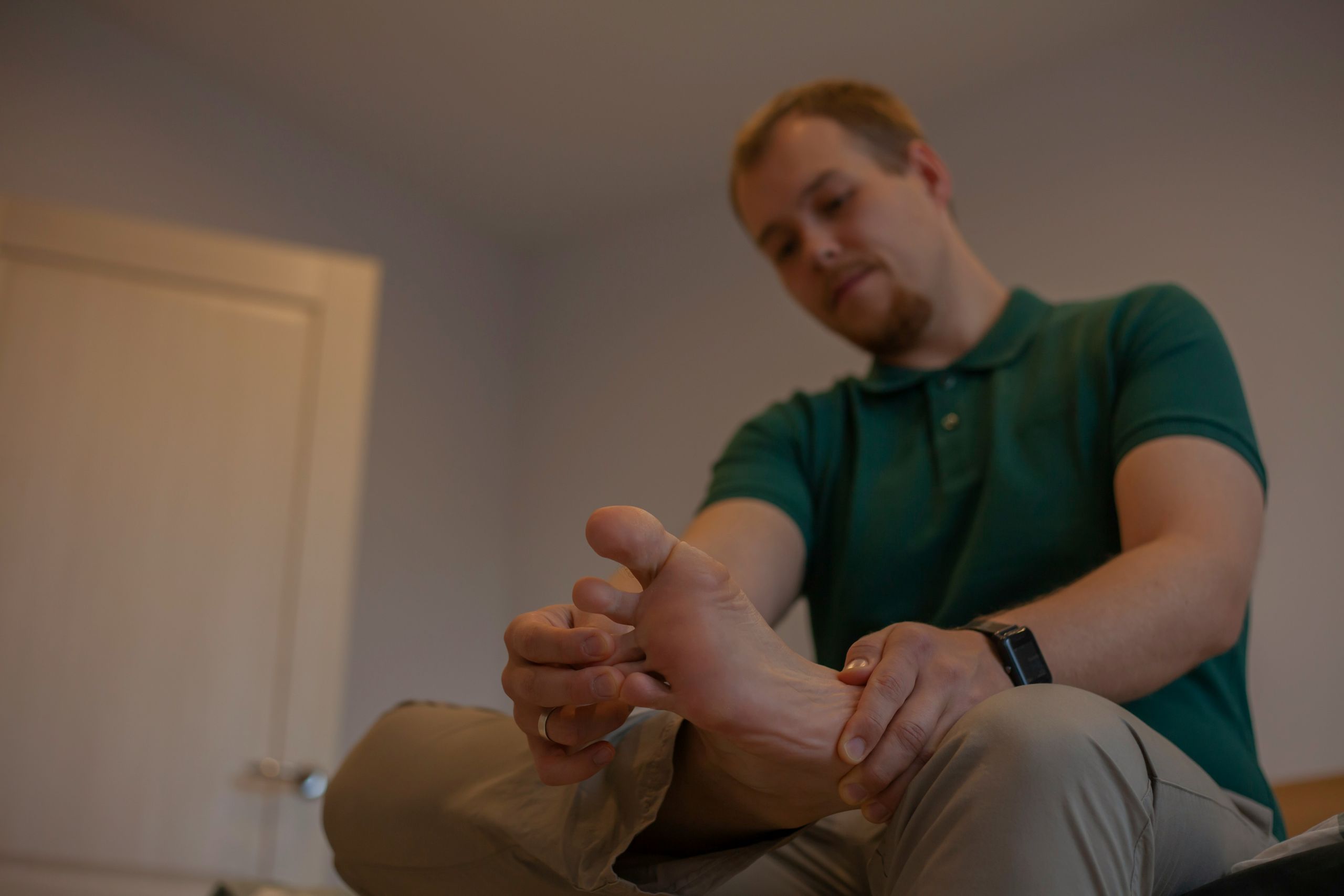
A man in a green polo shirt and tan pants having an arch pain in foot, massages his sore foot, his fingers interlaced between his toes.

Common Causes of Arch Pain and How to Treat It

Arch pain is one of the most common foot complaints we see at Central Arkansas Foot and Ankle Specialists. While some people experience mild soreness after a long day on their feet, others deal with persistent discomfort that affects their ability to walk, exercise, or even complete everyday tasks comfortably. The arch of the foot plays a major role in absorbing shock, supporting body weight, and maintaining balance, so when pain develops in this area, it should not be ignored.

Understanding the causes of arch pain and learning how to treat it early can help prevent long term issues and keep you moving comfortably throughout your daily routine.

Close-up of a persons legs as they run on a dirt path, kicking up dust. The focus is on their athletic shoes and the surrounding green grass, signifying the importance of foot alignment

Why Foot Alignment Matters for Pain-Free Movement

Most people do not think about foot alignment until pain begins to interfere with daily life. However, the position and function of your feet affect nearly every movement your body makes. When your feet are properly aligned, your muscles and joints work together efficiently to support balance, stability, and mobility. When alignment issues develop, even small imbalances can lead to discomfort that extends far beyond the feet.

At Central Arkansas Foot and Ankle Specialists, we regularly help patients whose knee pain, ankle discomfort, or lower back strain can be traced back to poor foot alignment. Understanding how alignment affects movement is one of the most important steps toward preventing pain and protecting long term mobility.

A woman in white clothes holds up her leg, wearing gray socks and a bright red high heel—an eye-catching choice for someone mindful of plantar fasciitis—while sitting indoors with plants and bookshelves in the background.

How to Prevent Plantar Fasciitis

Plantar fasciitis is one of the most common causes of heel pain, and it can significantly impact your ability to stay active and comfortable throughout the day. At Central Arkansas Foot and Ankle Specialists, we frequently treat patients dealing with this condition, many of whom did not realize their daily habits were contributing to the problem. The good news is that plantar fasciitis is often preventable with the right approach.

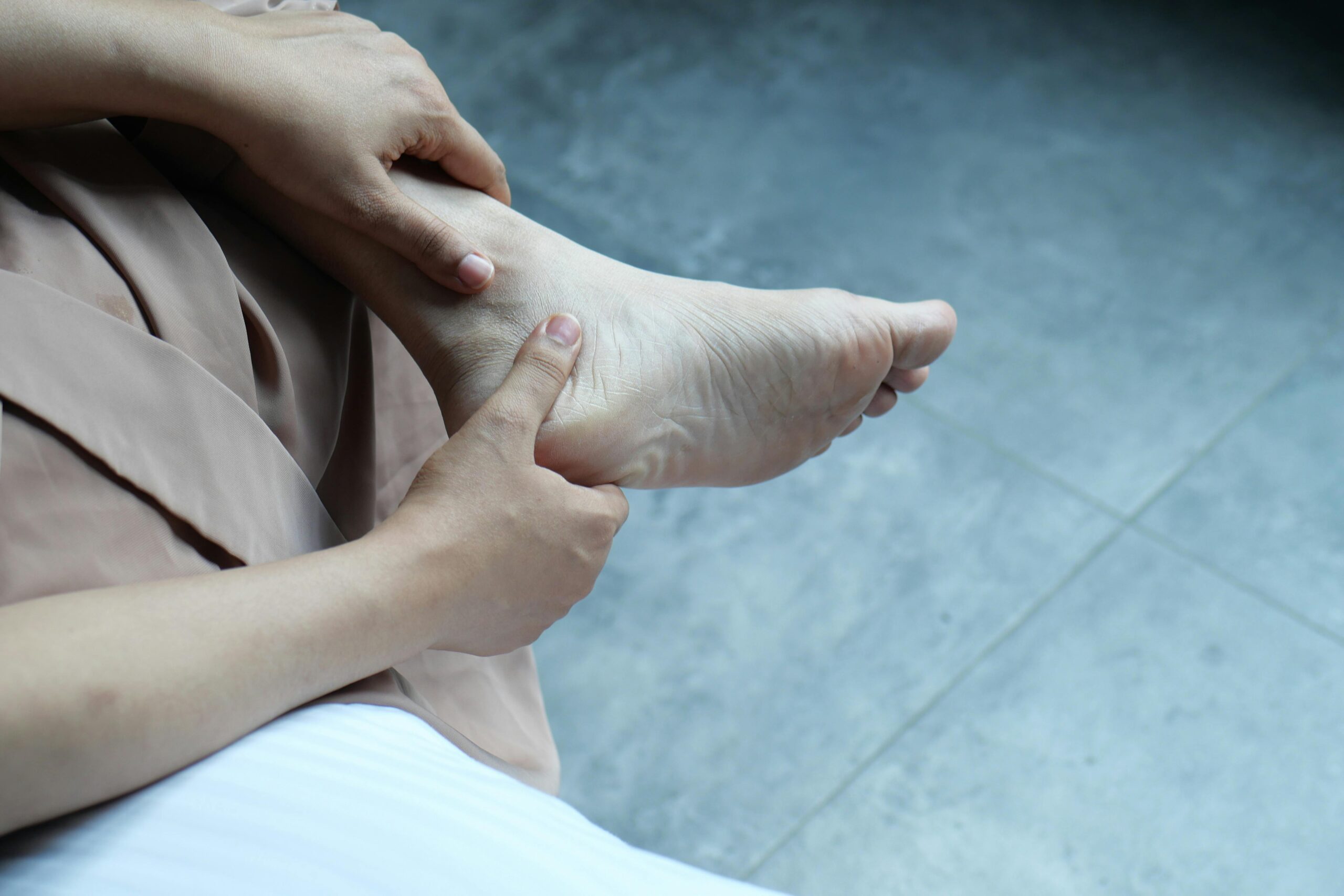
A person showing his tired feet, sitting and holding their left foot with both hands, appearing to massage or check it for foot fatigue, on a tiled floor background.

Managing Foot Fatigue as Activity Levels Increase

As the weather improves and activity levels increase, many people begin to notice a familiar issue: tired, sore, and fatigued feet. Whether you are walking more, exercising outdoors, or simply spending more time on your feet, this seasonal shift often places additional stress on your muscles, joints, and connective tissues. At Central Arkansas Foot and Ankle Specialists, we regularly help patients manage foot fatigue before it develops into more serious conditions.

A young boy in a black shirt and red shoes sits on the grass holding his knee, appearing upset or hurt after a fall from his bicycle lying nearby—reminding us how important it is to know how to prevent slips and falls during outdoor play.

How to Prevent Slips and Falls

Slips, trips, and falls are more than just minor accidents, they can lead to serious injuries, especially in the feet, ankles, and lower legs. Whether you’re navigating your home, workplace, or outdoor areas, maintaining proper foot health and awareness is essential for preventing falls. At Central Arkansas Foot and Ankle Specialists, we see many patients whose injuries could have been avoided with proactive measures. Understanding the connection between foot health, stability, and balance is key to staying safe.

Falls often result from a combination of factors including improper footwear, muscle weakness, poor balance, and environmental hazards. Addressing these issues head-on can reduce your risk of injury and help you maintain independence, confidence, and mobility.

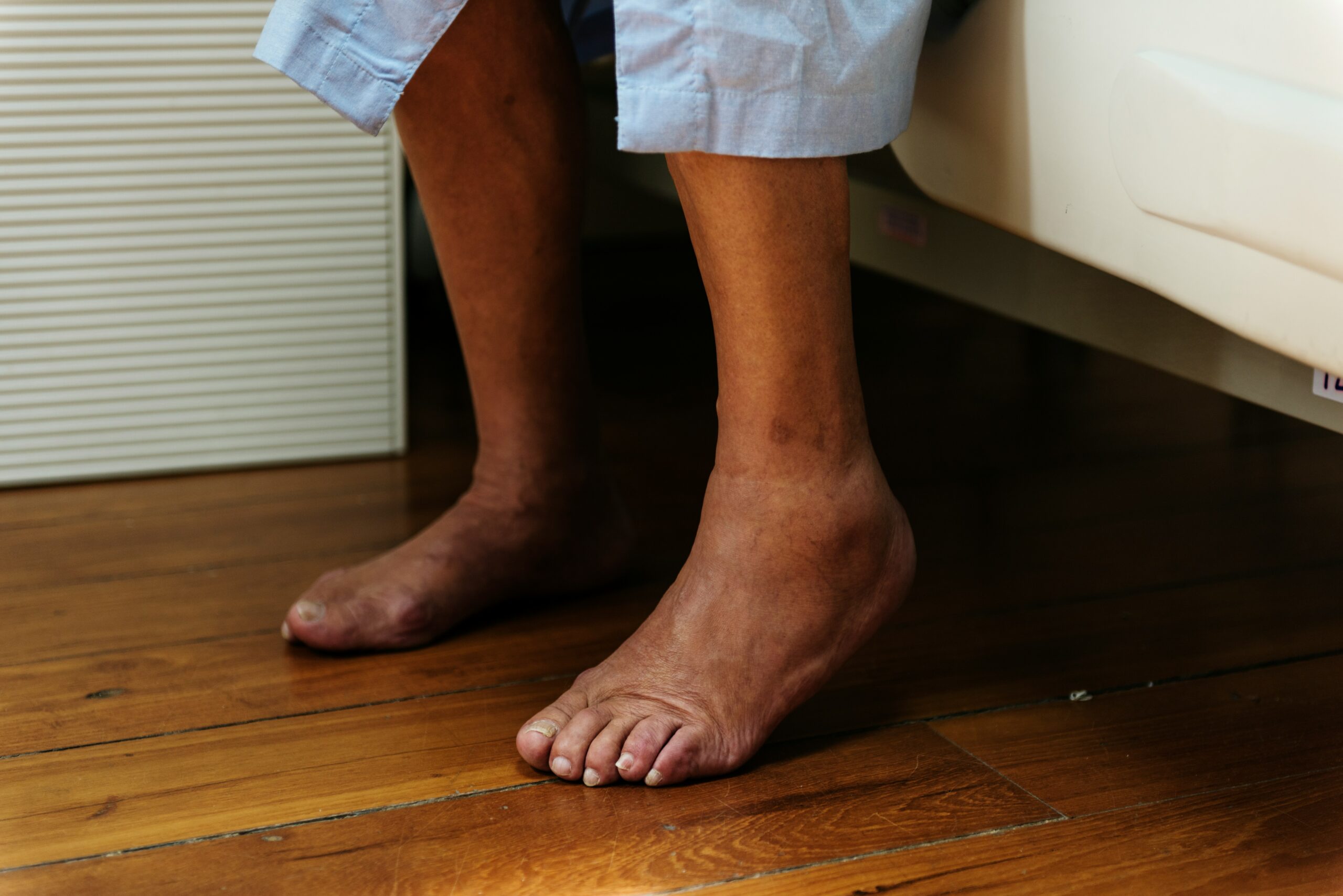
A person in blue hospital pants sits on a bed with bare feet placed on a wooden floor, showing slightly swollen ankles and visible veins—signs of foot fatigue.

Managing Swelling and Foot Fatigue

Foot swelling and fatigue are common concerns that many Arkansans experience, especially after long days on their feet or periods of increased activity. While occasional swelling and tiredness may seem minor, persistent issues can indicate underlying circulation problems, joint strain, or improper footwear. At Central Arkansas Foot and Ankle Specialists, we work with patients to identify the causes of foot fatigue and swelling and provide practical solutions to keep feet healthy and comfortable.

Understanding how swelling and fatigue affect your daily mobility is key. Swollen, tired feet can impact balance, posture, and even your overall energy levels. Addressing these issues early can prevent more serious conditions, improve comfort, and support long-term foot health.

An older man sits on a bench in a bright room, bending forward with care to put on black dress shoes, perhaps feeling some foot pain in the morning. He wears a gray jacket, dark pants, and glasses as natural light streams through the window behind him.

Why You Shouldn’t Ignore Morning Foot Pain

Waking up with foot pain can feel like a minor annoyance at first, but persistent discomfort in the morning is often a sign that something more serious is happening in your feet. Heel pain, arch stiffness, or a sharp ache when first stepping out of bed can interfere with your day and may indicate underlying conditions that need attention. At Central Arkansas Foot and Ankle Specialists, we see many patients who underestimate morning foot pain, addressing it early can prevent long-term complications.

Understanding why your feet hurt in the morning and taking proactive steps can make a significant difference in comfort and mobility. Ignoring morning pain can lead to worsening symptoms, chronic conditions, and even impact your overall posture and movement.

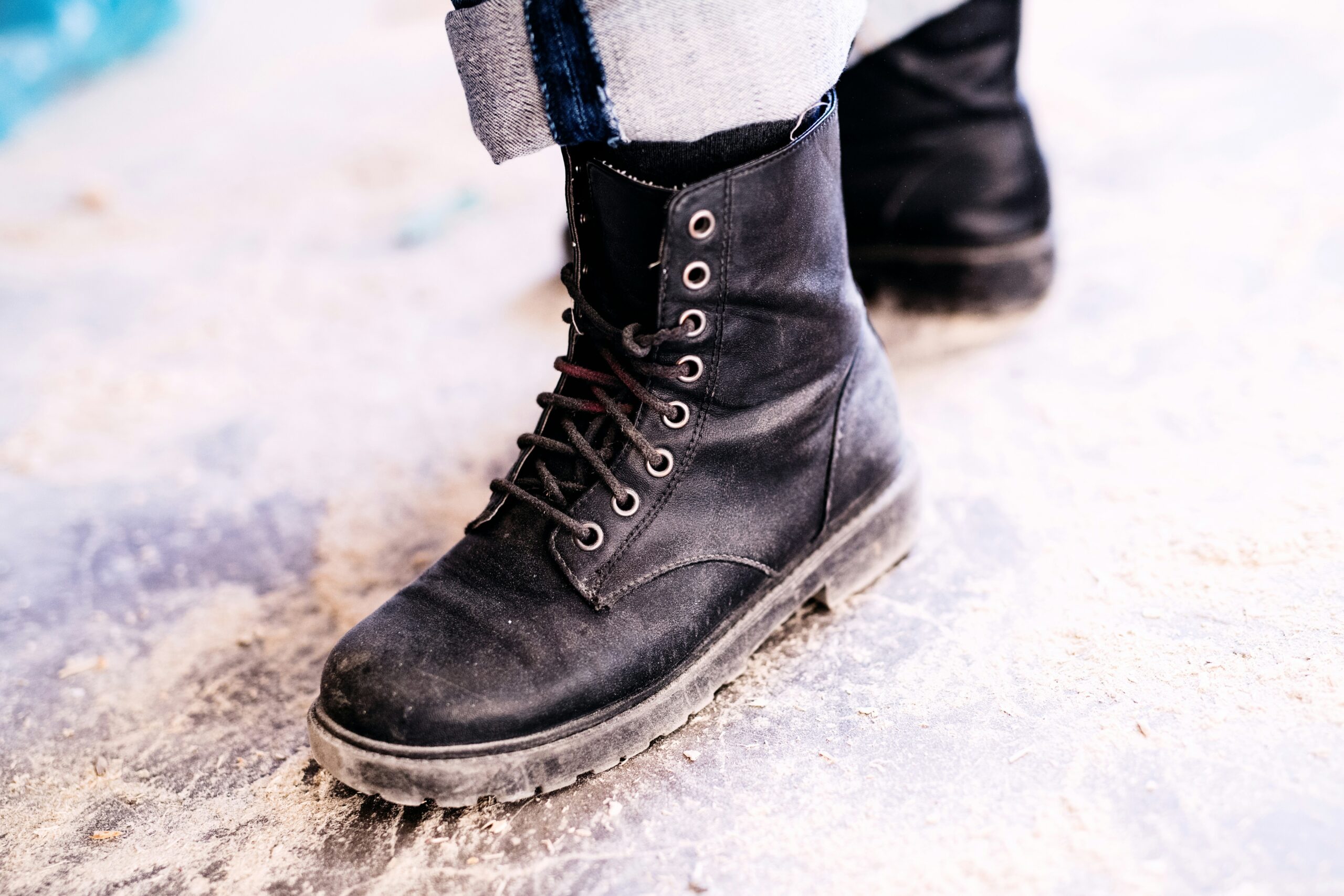
A close-up of a person wearing black lace-up boots and light-colored rolled-up jeans, standing on a dusty, textured floor.

Feeling Foot Pain? When to Replace Your Old Shoes

Shoes are more than just a fashion statement, they’re an essential part of foot health. Wearing worn-out or unsupportive shoes can lead to discomfort, fatigue, and even long-term foot problems and foot pain. Many people in Arkansas continue to use old footwear far past its prime, unaware that subtle signs can indicate it’s time for a replacement. At Central Arkansas Foot and Ankle Specialists, we emphasize the importance of proper footwear and help patients understand when it’s time to retire their old shoes.

Understanding when to replace your shoes is crucial not just for comfort, but for preventing foot pain in your feet, ankles, knees, and even lower back. Every step you take places pressure on your joints, and shoes are the foundation that absorbs shock, maintains alignment, and supports your arches.

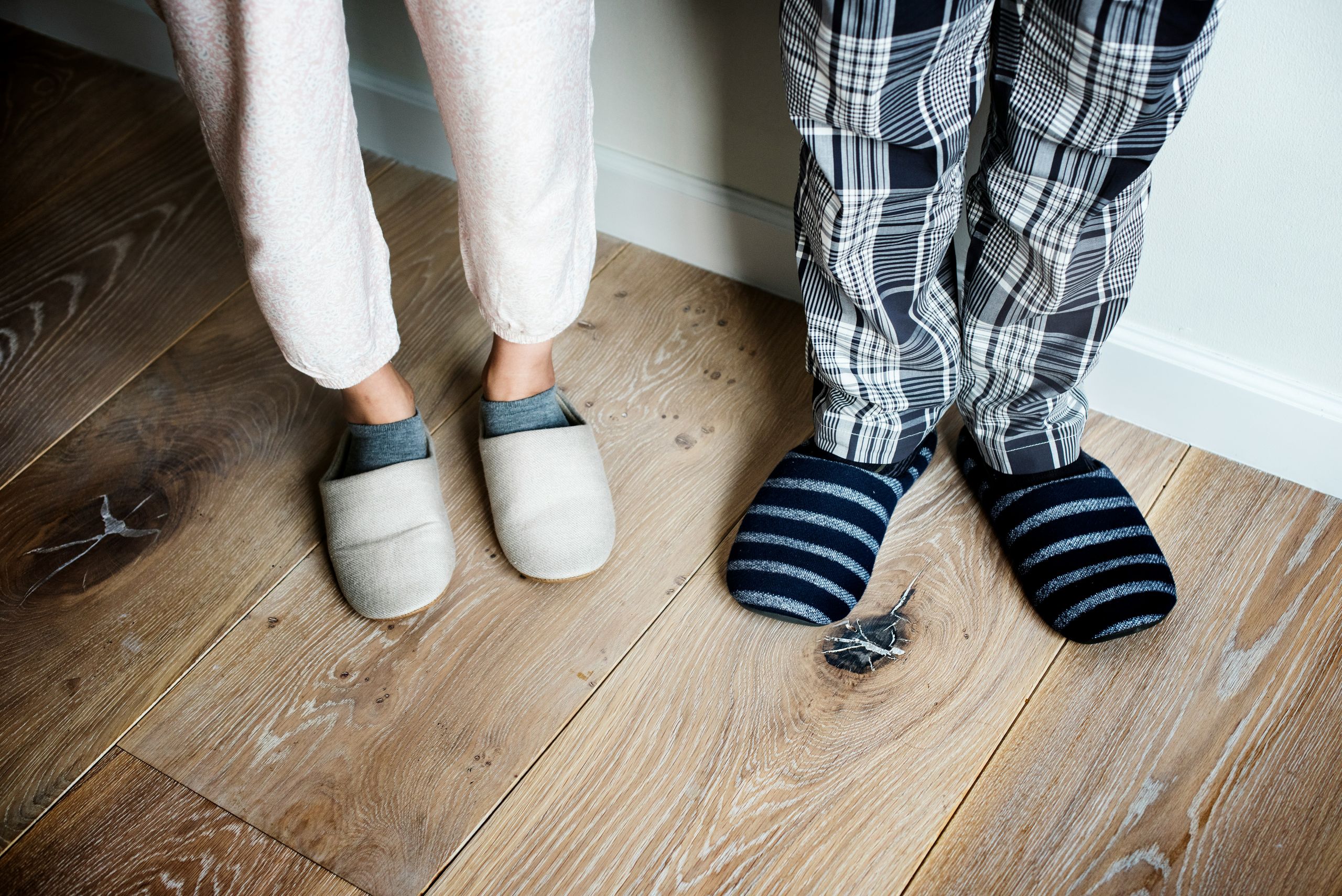
Two people stand side by side on a wooden floor, wearing pajamas and slippers that offer comfort and support for foot health—one in light pajamas with beige slippers, the other in plaid pajamas with dark striped slippers.

Recovering from Holiday Stress: Foot Health Techniques

The holiday season can be a joyful time, but it’s also one of the busiest periods for your feet. Between shopping, family gatherings, travel, and standing for long hours at events, it’s easy to push your feet to the limit. Swelling, fatigue, and soreness often linger into the new year, leaving you wondering how to get back on track. At Central Arkansas Foot and Ankle Specialists, we see these post-holiday foot issues every year and can help you recover safely and comfortably.

Understanding how holiday activity impacts your feet and implementing a few recovery strategies can help prevent long-term pain and get you moving comfortably again. Let’s break down what you need to know about post-holiday foot care techniques.

A woman sits on the edge of a bed in a modern bedroom, wearing business attire. As part of her foot care resolutions, she puts on black high-heeled shoes, preparing for the day amid white furniture and a wooden floor.

Start the Year on the Right Foot: Setting Healthy Foot Care Resolutions

The start of a new year is the perfect time to set intentions for your overall health, but it’s easy to overlook the foundation that keeps you moving—your feet. Healthy feet are critical to daily comfort, mobility, and preventing long-term complications. Many Arkansans push through discomfort or minor aches, thinking it’s normal, when a few simple healthy foot care resolutions could make a huge difference in 2026.

At Central Arkansas Foot and Ankle Specialists, we help our patients understand that foot health is a key part of overall wellness. By setting realistic, actionable goals for your feet, you can prevent pain, support alignment, and enjoy an active, comfortable year.

A person with poor circulation and cold feet wears cozy knitted socks, resting near a fireplace with a glowing fire and a blurred Christmas tree in the background, creating a warm, festive atmosphere.

The Link Between Poor Circulation and Cold Feet

Cold feet are more than just an uncomfortable inconvenience; they’re a signal that your circulation isn’t working as it should. At Central Arkansas Foot and Ankle Specialists, we see many patients who notice persistent coldness in their feet and dismiss it as normal. 

The truth is that cold feet can sometimes indicate underlying circulation problems that, if left untreated, may affect your overall health. Understanding the connection between poor circulation and cold feet is key to keeping your lower extremities healthy and pain-free.

Close-up of a person wearing bright pink running shoes with yellow laces, running outdoors in the rain. Water splashes around their feet as they move along a wet surface—avoid cold weather foot pains with proper footwear.

Avoid Cold Weather Foot Pains with Proper Footwear

Cold weather can be beautiful, but it also comes with unique challenges for your feet. As temperatures drop in Arkansas, many people underestimate the importance of choosing the right shoes to protect their feet. 

Wearing inadequate footwear in winter can lead to discomfort, injuries, and even long-term foot problems. At Central Arkansas Foot and Ankle Specialists, we emphasize that cold weather foot pains and how your choice of footwear matters isn’t just about warmth, it’s about support, safety, and overall foot health.

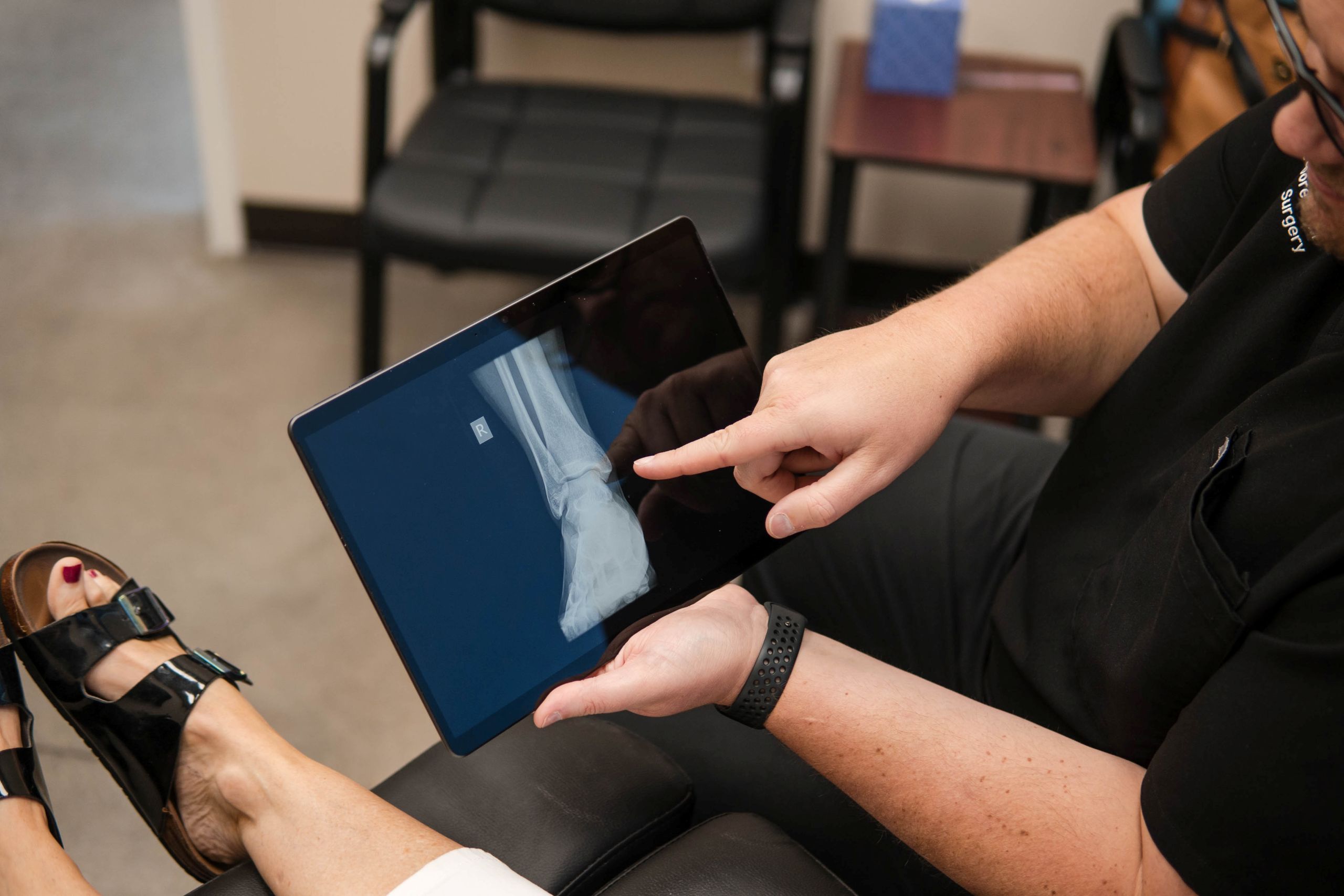
A person points to an X-ray image of an ankle displayed on a tablet, while another person’s foot with black sandals—possibly affected by bunions—rests nearby, suggesting a medical consultation.

Bunions: When to Watch, When to Treat

Bunions are one of the most common foot conditions we see at Central Arkansas Foot and Ankle Specialists, yet they’re also one of the most misunderstood. Many people assume bunions are simply cosmetic or something they have to live with forever. In reality, bunions are a progressive structural issue that can worsen over time if left unaddressed.

Understanding when to monitor a bunion and when it’s time to seek treatment can help you avoid unnecessary pain, mobility issues, and long-term foot damage. Early awareness plays a critical role in protecting your foot health and maintaining your quality of life.

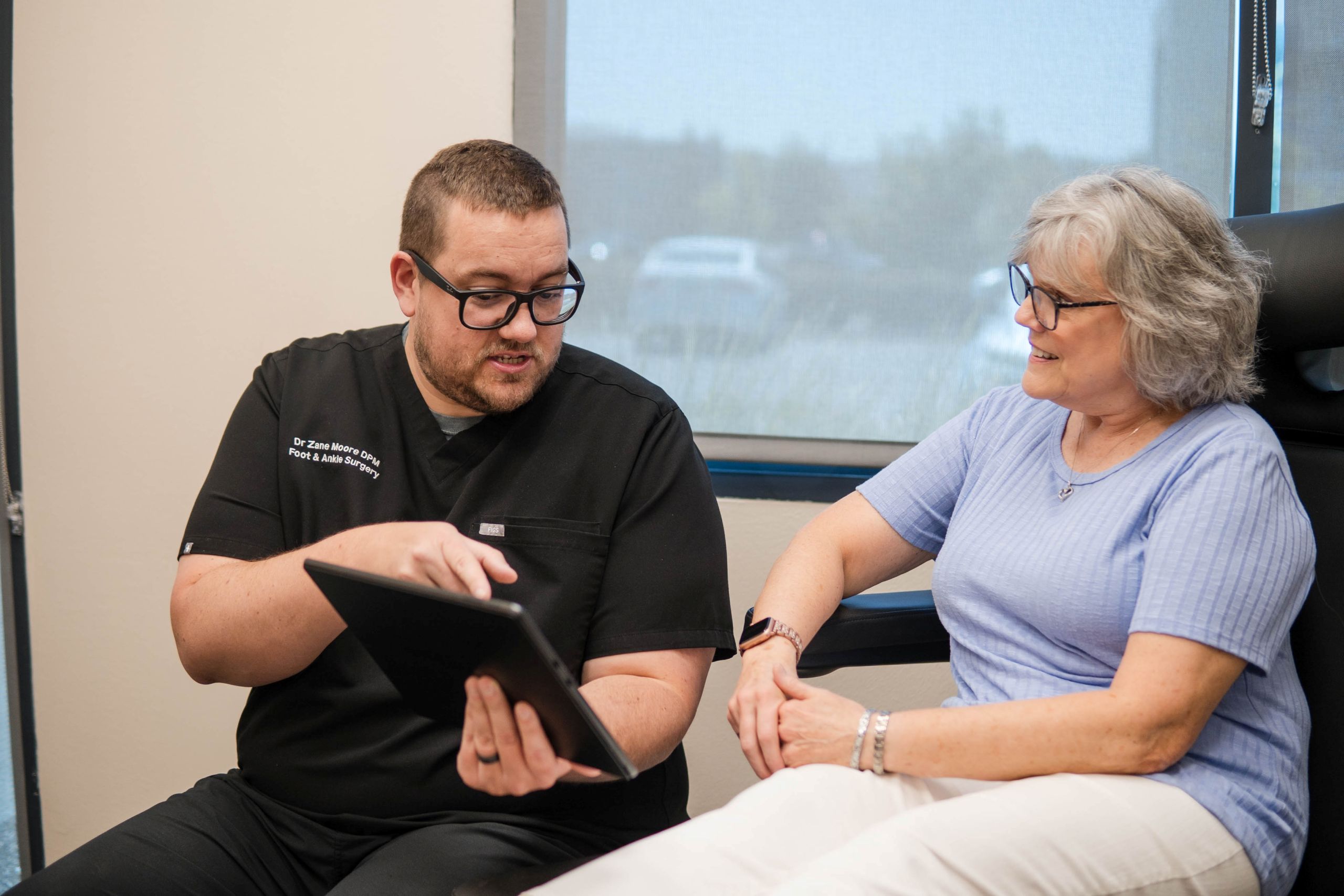
A male healthcare professional in black scrubs shows information on a tablet to an older woman with high arches, who is smiling while sitting in a clinic chair near a window.

High Arches Explained: Pros, Cons, and Support Tips

High arches are less common than flat feet, but they can cause just as many problems if left unmanaged. 

At Central Arkansas Foot and Ankle Specialists, we treat patients with high arches every week who never realized their foot shape was contributing to pain in their heels, toes, ankles, or even their lower back. Understanding high arches, why they develop, and how to support them can keep you comfortable and active all year long.

A person wearing white pants stands barefoot on a medical imaging device, possibly for a foot or leg scan to assess back pain and foot alignment, in a clinical setting. Only their lower legs and feet are visible.

The Link Between Back Pain and Foot Alignment

Back pain is one of the most common complaints we hear, not just from older adults, but from patients of all ages and activity levels. What many people don’t realize is that the cause of their back pain may actually start at their feet. At Central Arkansas Foot and Ankle Specialists, we take a whole-body approach to diagnosing pain, which means looking closely at foot alignment and how it affects your posture, spine, and overall movement.

Understanding the connection between your feet and back can help you prevent long-term discomfort, improve your mobility, and stay active with confidence.

A pregnant woman sits on a gray sofa with her feet up, mindful of pregnancy foot pain. One hand rests on her belly as she looks thoughtful. The room is bright, with a window behind her and green cushions adding a touch of color.

Pregnancy and Foot Health

Pregnancy is a time of incredible change, and your feet feel it just as much as the rest of your body. If you’re expecting and noticing swelling, aches, or even changes in your shoe size, you’re not alone. At Central Arkansas Foot and Ankle Specialists, we work with expecting mothers every day to help them stay comfortable and mobile through every trimester.

Understanding the connection between pregnancy and foot health can help you prevent pain and manage symptoms before they disrupt your day. Let’s break down what you need to know.

An older woman in athletic wear sits on a yoga mat in a bright living room, smiling as she stretches forward to touch her toes—practicing flexibility and diabetic foot care for better diabetes management.

Diabetic Foot Care Basics

Living with diabetes means staying on top of a lot of things. Diet, medications, blood sugar, and yes, foot health. One of the most overlooked complications of diabetes is foot-related problems, many of which are preventable with proper care. At Central Arkansas Foot...

A doctor wearing blue gloves examines a patients bandaged foot while holding an X-ray image of feet in the background.

Flat Feet: Causes and Treatment Options

Every foot is different, but not every foot has an arch. Flat feet are a common condition we treat regularly at Central Arkansas Foot and Ankle Specialists. Some people are born with flat feet and never notice any problems. Others develop it later in life and suddenly...

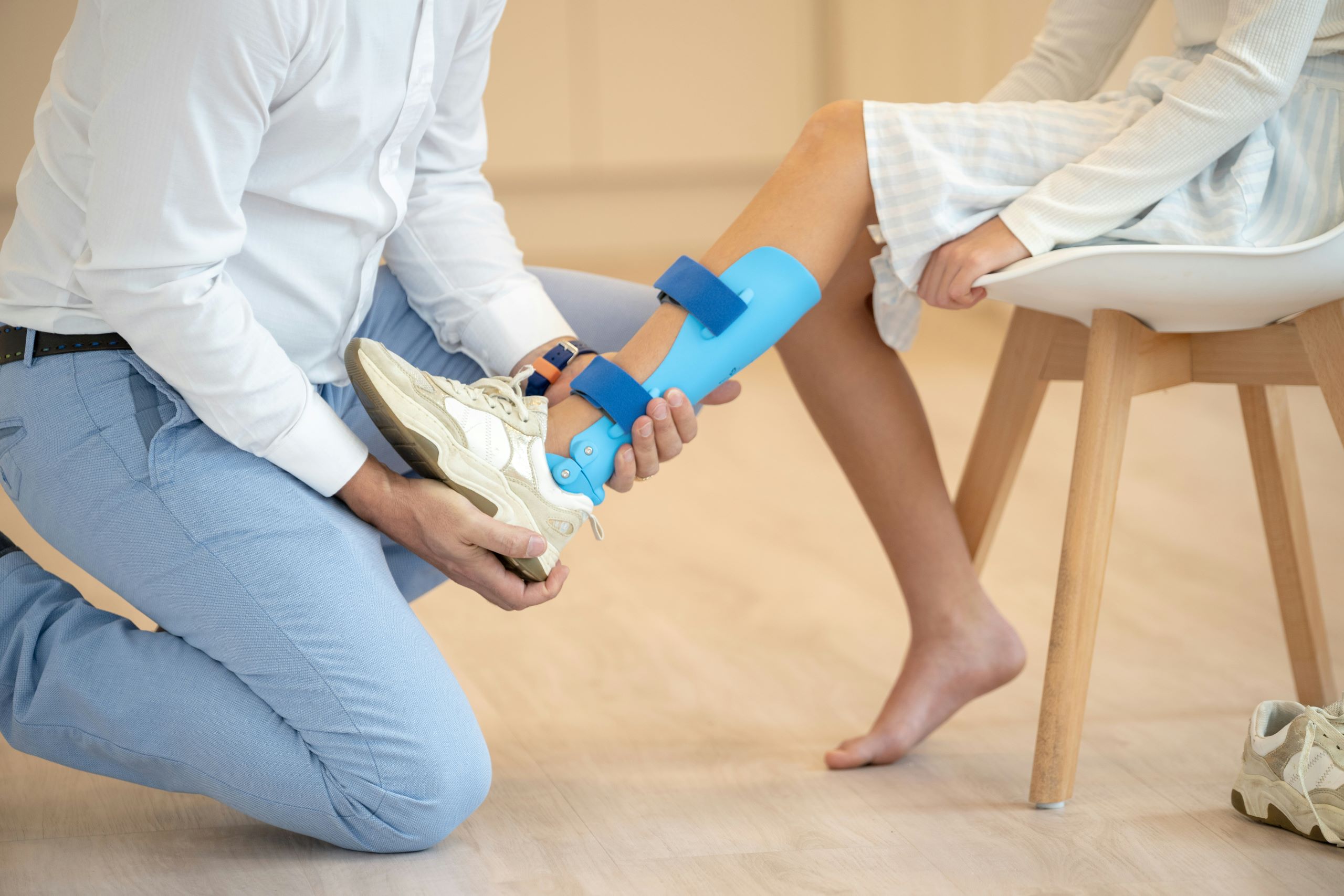
A person kneels and helps fit a blue, doctor-recommended orthopedic leg brace onto the lower leg of another individual sitting on a chair, who is wearing a light dress and has one shoe off.

Doctor-Recommended Foot Care Products You Can Use at Home

Taking care of your feet shouldn’t be complicated or expensive, and it definitely shouldn’t be reserved for once-a-year doctor visits. At Central Arkansas Foot and Ankle Specialists, we believe foot health is something you can manage daily, right from your own home....

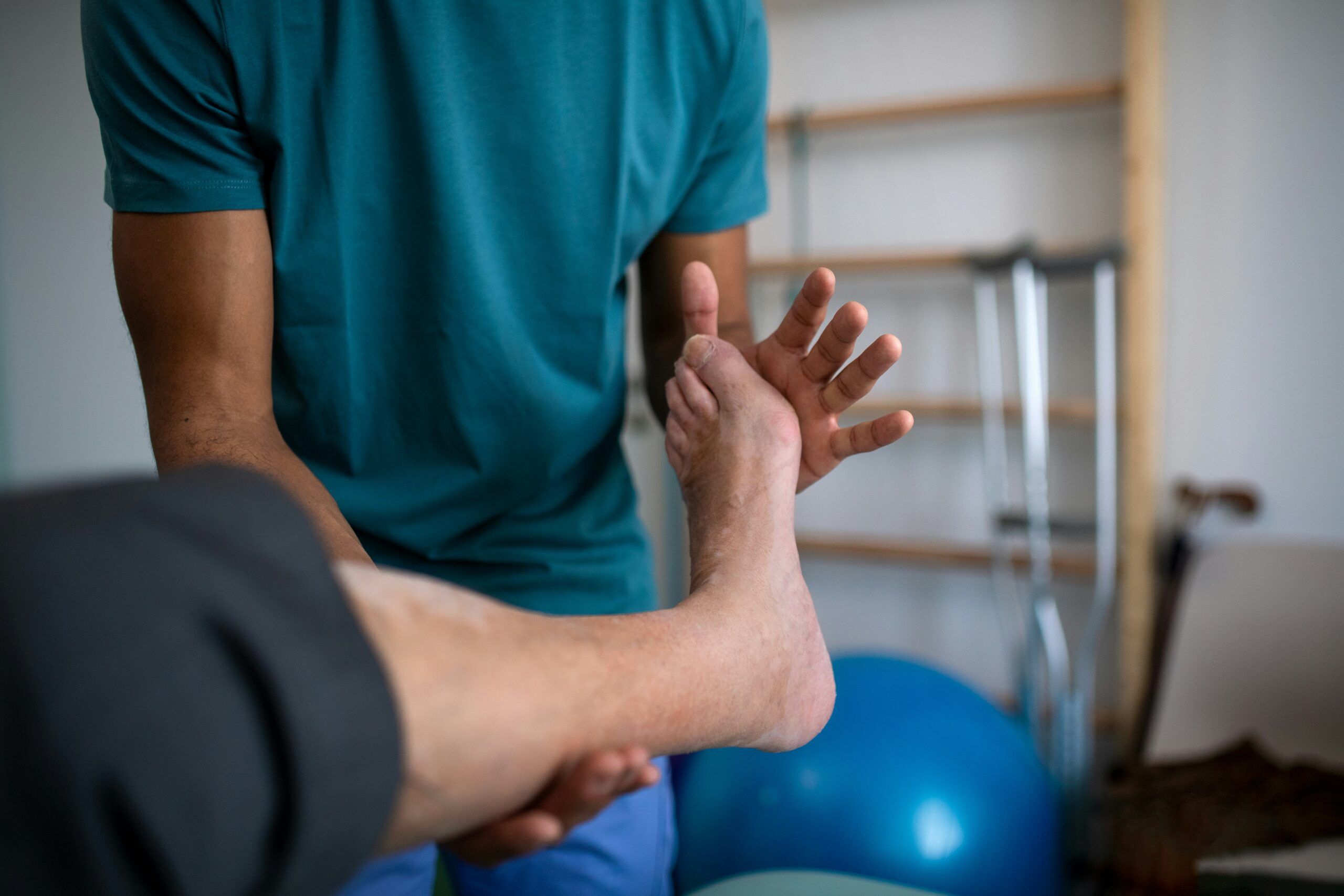
A person in a teal shirt supports and gently moves another person’s foot during a physical therapy session. Exercise equipment and crutches are visible in the background.

How Weather Affects Foot & Joint Pain

Arkansas weather can be unpredictable, with sunshine one minute and cold fronts the next. These weather swings don’t just affect your daily plans, they can also affect your physical comfort. One question we hear often from patients is, “Can the weather really cause...

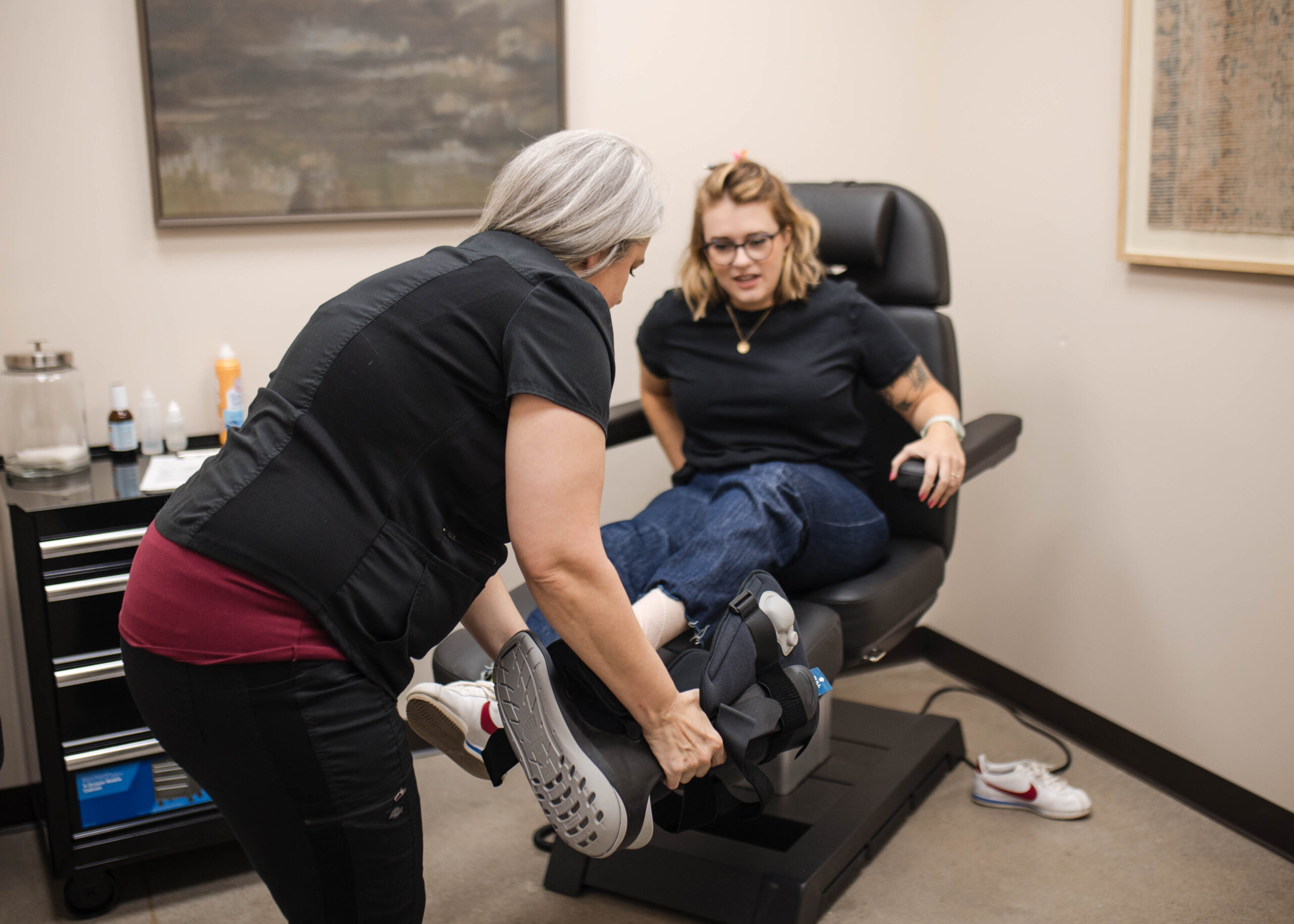
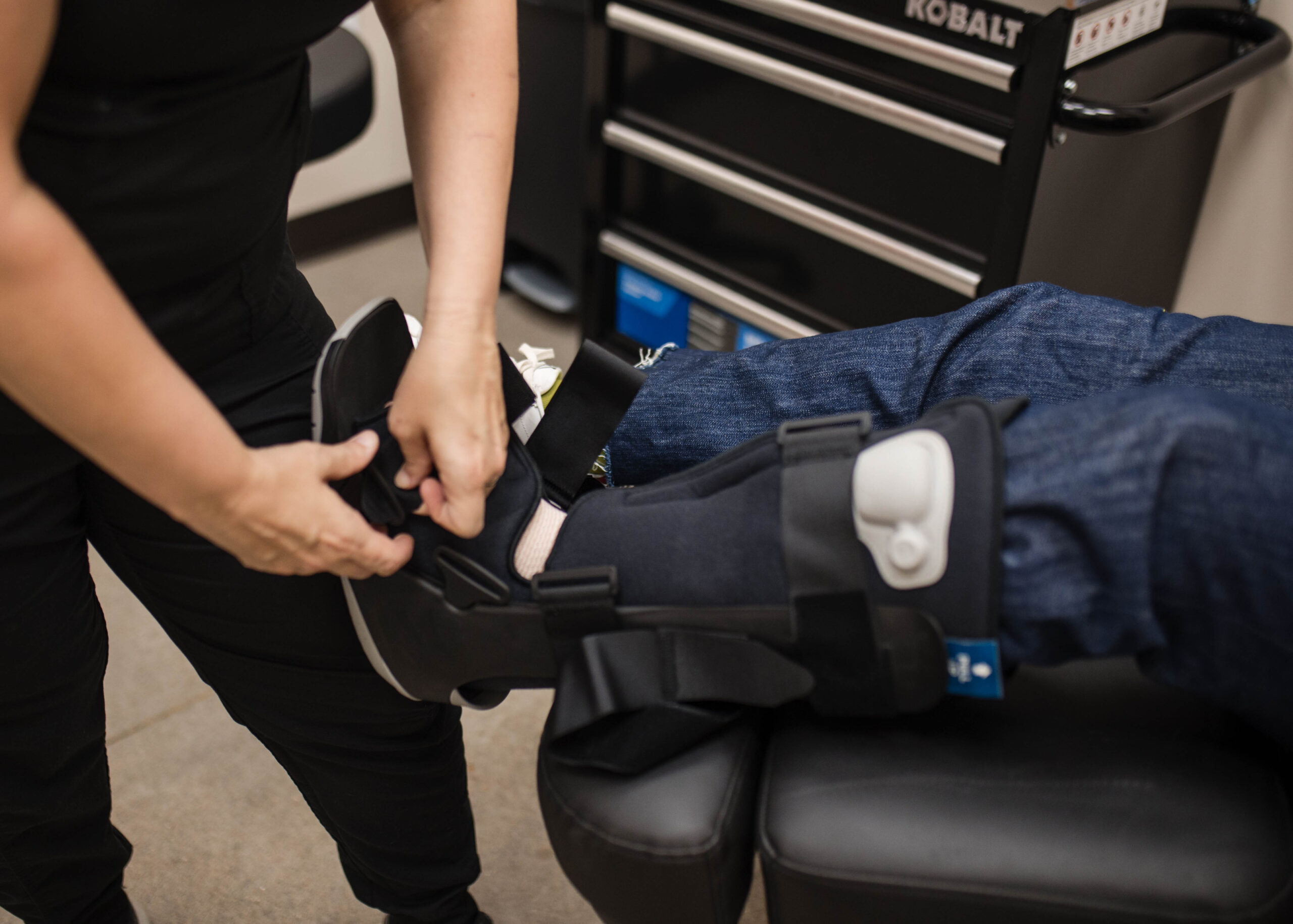
A healthcare professional helps a woman adjust her orthopedic walking boot while she sits on a medical exam chair in a clinic room.

Returning to Sports After an Injury: What to Expect

Nothing is as frustrating to an athlete as an injury that takes you out of the game. Whether it’s a sprain from a misstep or a stress fracture from overusing your legs– getting back in the game can feel both exciting and downright scary. We understand how conflicted...

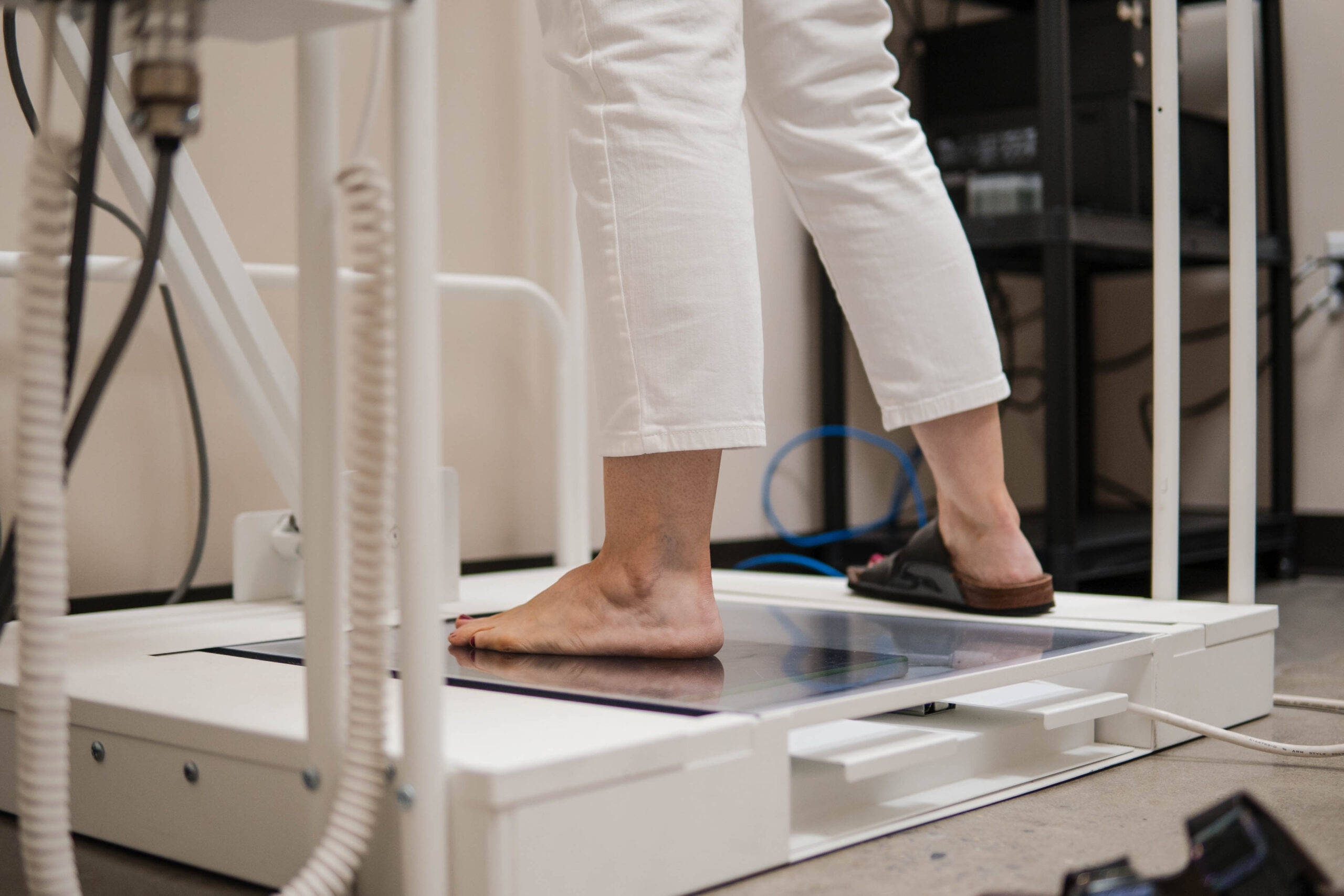
A person wearing white pants stands barefoot on a medical imaging device, possibly for a foot or leg scan, in a clinical setting.

Daily Foot Care Tips for Busy Arkansans

Life moves fast, and so does the average Arkansan. Hard work and long days on your feet are the norm, whether you’re chasing after your kid or powering through a shift at your 9-5. We care about every Arkansan’s health and want to help every single one of them put...

A person helps another person put on a medical walking boot while they are seated, with the injured leg elevated on a cushioned surface.

The Role of Physical Therapy in Foot and Ankle Recovery

Foot and ankle injuries can disrupt your entire routine, from everyday things such as walking and running to even just standing on your own two feet. One of the most common and frustrating injuries people face is a sprain, especially in the ankle. But there’s good...

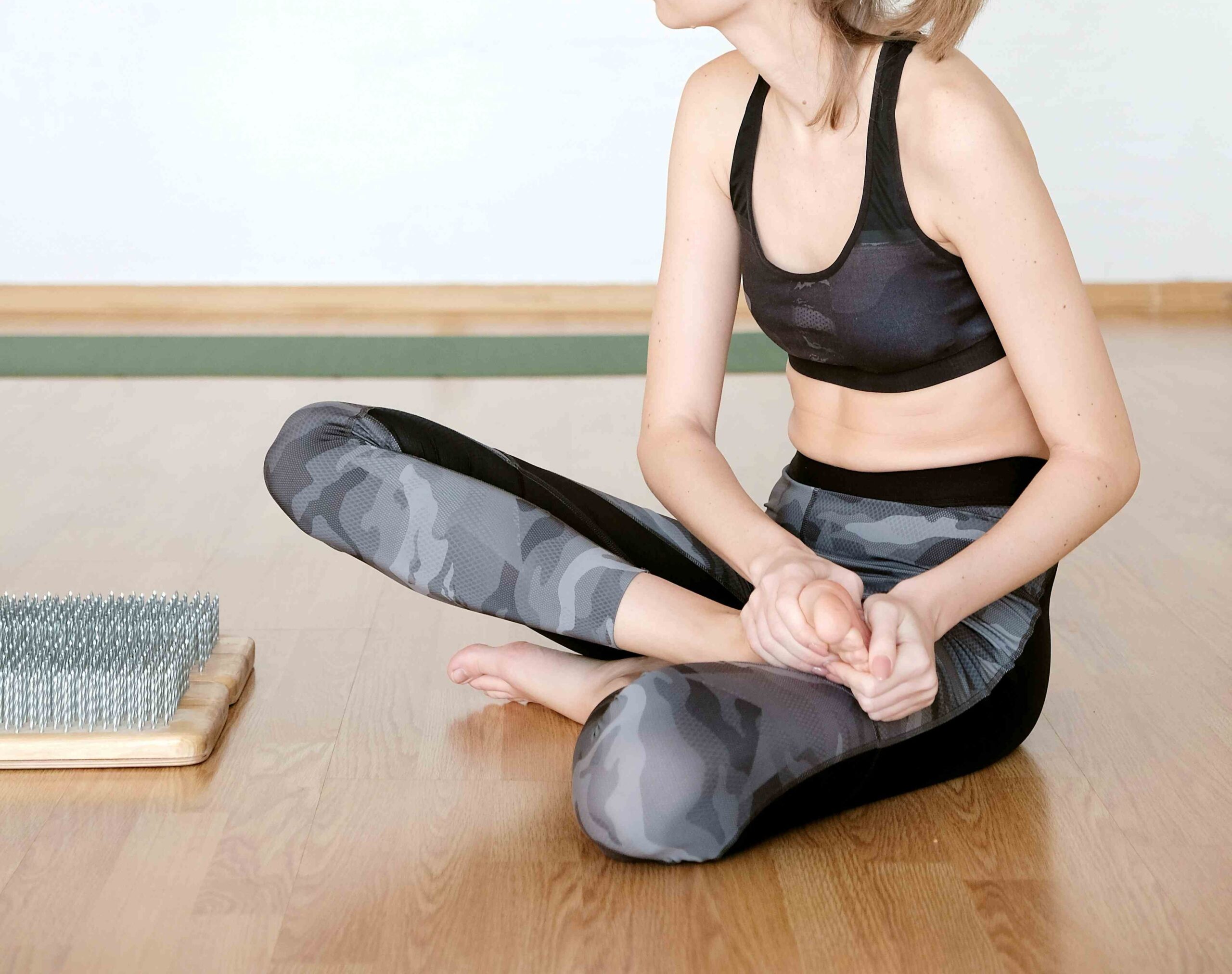
A woman in a black sports bra and camouflage leggings sits cross-legged on a wooden floor, doing ankle mobility exercises by holding her foot. A bed of nails sits beside her. Her face is partially out of frame.

5 Easy Stretches to Improve Ankle Mobility at Home

Ankle mobility exercises are one of the best ways to stay healthy as you age and maintain flexibility, balance, and overall movement. Tight ankles don’t just affect your feet, they also throw off your balance, your posture, and make common, everyday movements more...

A person sitting on an office chair holds their ankle in discomfort while wearing black high heels and black pants, suggesting foot pain or injury.

How to Stop Foot Pain from Standing All Day

Do your feet hurt from standing all day? If you’re wondering how to stop foot pain from standing all day, the good news is—it’s possible and you’re definitely not alone. As we spend a majority of our waking hours on our feet and moving about, overall foot and ankle...