
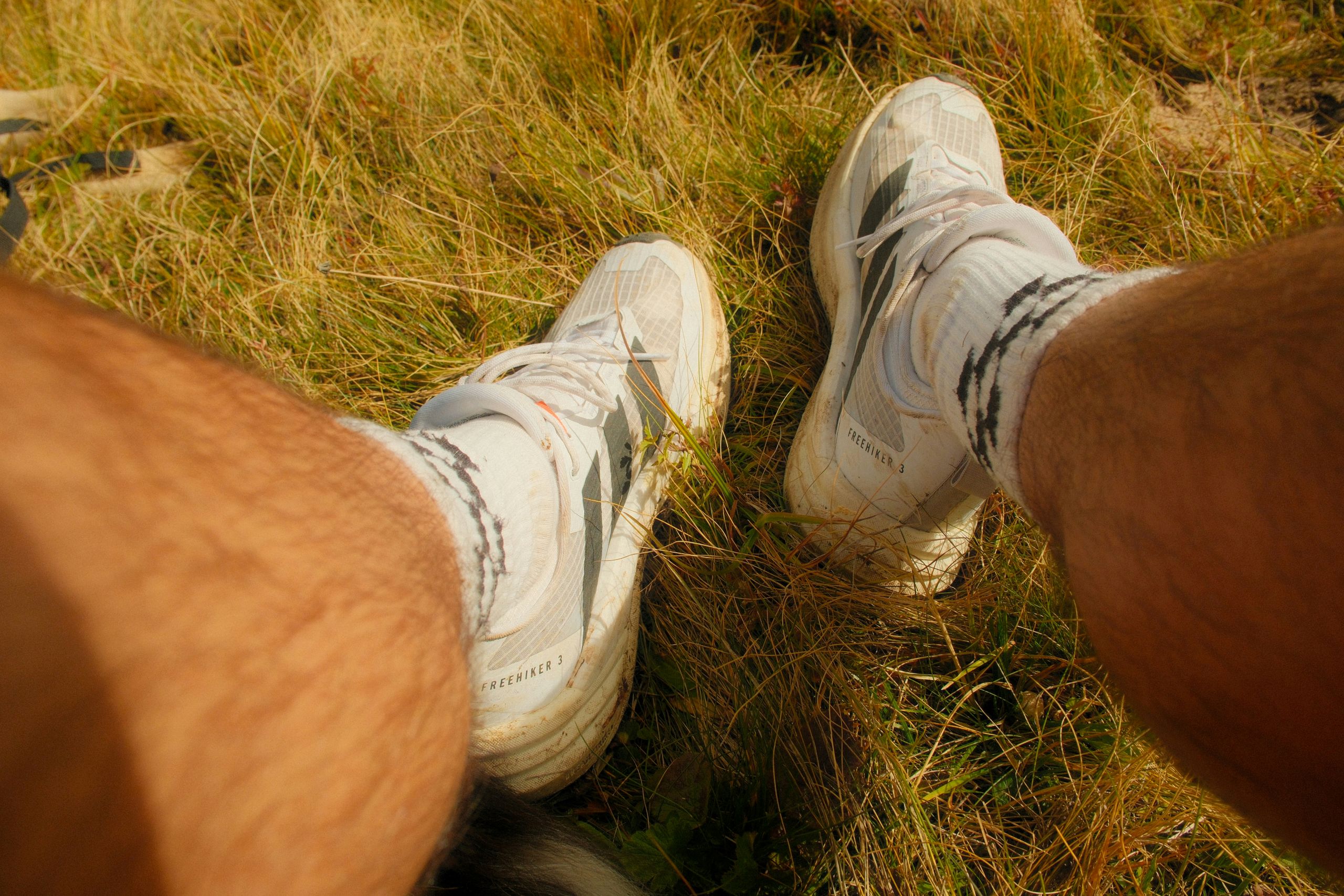
Walking on a smooth, predictable surface is very different from walking across gravel, grass, trails, loose dirt, or other uneven terrain. When the ground changes beneath your feet, your muscles and joints have to make constant adjustments to keep you balanced.
That extra work can leave your feet and ankles feeling sore after a long walk. For some people, occasional discomfort is simply the result of increased activity. For others, uneven ground exposes an underlying problem involving foot mechanics, muscle weakness, or ankle stability.
At Central Arkansas Foot and Ankle Specialists, we help patients understand why pain develops and what can be done when discomfort does not go away on its own.
Why Uneven Surfaces Are Harder on Your Feet
Your feet are constantly adapting as you walk. On an even surface, your body can follow a relatively consistent movement pattern. Uneven ground requires much more adjustment.
Your ankles may tilt from side to side as you step over rocks or changes in elevation. Muscles throughout your feet and lower legs work harder to stabilize your body. Your tendons and joints may also absorb more stress than they would during an ordinary walk on a level surface.
That is one reason uneven ground foot pain can appear after hiking, walking on trails, exploring parks, or simply spending a long day moving across irregular terrain.
The problem can become more noticeable when your body is not accustomed to the activity. A sudden increase in walking distance or intensity can place additional strain on structures that have not had time to adapt.
What Does the Pain Tell You?
The location of your discomfort can provide clues about what is happening.
Pain in the heel may develop when the tissues responsible for supporting the foot are repeatedly stressed. Arch discomfort may be related to overuse or changes in how pressure is distributed. Pain around the outer ankle can be associated with instability or repeated twisting. Soreness in the ball of the foot may result from increased pressure during walking.
Some people experience only temporary soreness after walking. Others notice discomfort that continues into the next day or becomes more intense each time they walk.
Foot pain after walking should be taken more seriously when it repeatedly interferes with activities, changes your gait, or occurs even during routine movement on level ground.
Ankle Stability Matters
Good ankle stability allows your foot to respond to changes in the surface beneath you without excessive movement. Previous ankle sprains, weak supporting muscles, reduced flexibility, and certain foot mechanics can affect how stable the joint feels.
If an ankle has been injured before, uneven terrain can reveal lingering weakness that is not obvious during ordinary walking. You may notice that the ankle feels unreliable, rolls unexpectedly, or becomes sore after activity.
Improving ankle stability can involve targeted strengthening, balance exercises, footwear adjustments, or other treatment depending on the underlying cause.
Could Your Shoes Be Contributing?
Footwear plays an important role when walking on uneven surfaces. Shoes that lack adequate support or grip may make it harder for your feet to adapt to changing terrain.
A shoe that fits too loosely may allow your foot to shift inside the shoe. One that is too restrictive can create pressure in areas already experiencing strain.
For recreational walks and outdoor activities, a properly fitted shoe with appropriate support can help reduce unnecessary stress. However, supportive footwear cannot always correct an underlying mechanical problem.
When Foot Pain Needs Attention
Occasional soreness after an unusually long or difficult walk may improve with rest and a gradual return to activity. Pain that keeps returning deserves a closer look.
Consider professional evaluation when pain is persistent, becomes increasingly severe, causes swelling, or changes the way you walk. Repeated ankle rolling, ongoing instability, or pain that begins occurring during ordinary walking are also reasons to seek care.
A foot and ankle treatment plan should address more than the location of the pain. At Central Arkansas Foot and Ankle Specialists, an evaluation may consider your foot structure, range of motion, muscle strength, walking pattern, and history of previous injuries.
This broader approach can help identify why certain activities consistently trigger discomfort.
Keeping Your Feet Comfortable on Uneven Terrain
Preparation can make a difference when you know you will be walking on trails, grass, gravel, or other challenging surfaces. Increase activity gradually rather than suddenly doubling your walking distance. Give your body enough time to adjust to new demands.
Pay attention to pain rather than attempting to push through it. If your feet or ankles become fatigued, take a break. After activity, allow your body time to recover before taking on another long session.
For recurring symptoms, professional guidance can be much more useful than simply changing your walking routine over and over.
Find Out Why Your Feet Hurt
Uneven ground does not have to leave your feet hurting every time you walk. When pain continues or repeatedly returns, there may be an underlying issue worth addressing.
A foot doctor Arkansas patients rely on can evaluate recurring pain and determine whether the problem involves the foot, ankle, muscles, tendons, joints, or walking mechanics.
Central Arkansas Foot and Ankle Specialists provides comprehensive care for foot and ankle conditions affecting comfort, stability, and mobility. Contact our team to schedule an evaluation and learn what may be contributing to your pain.