
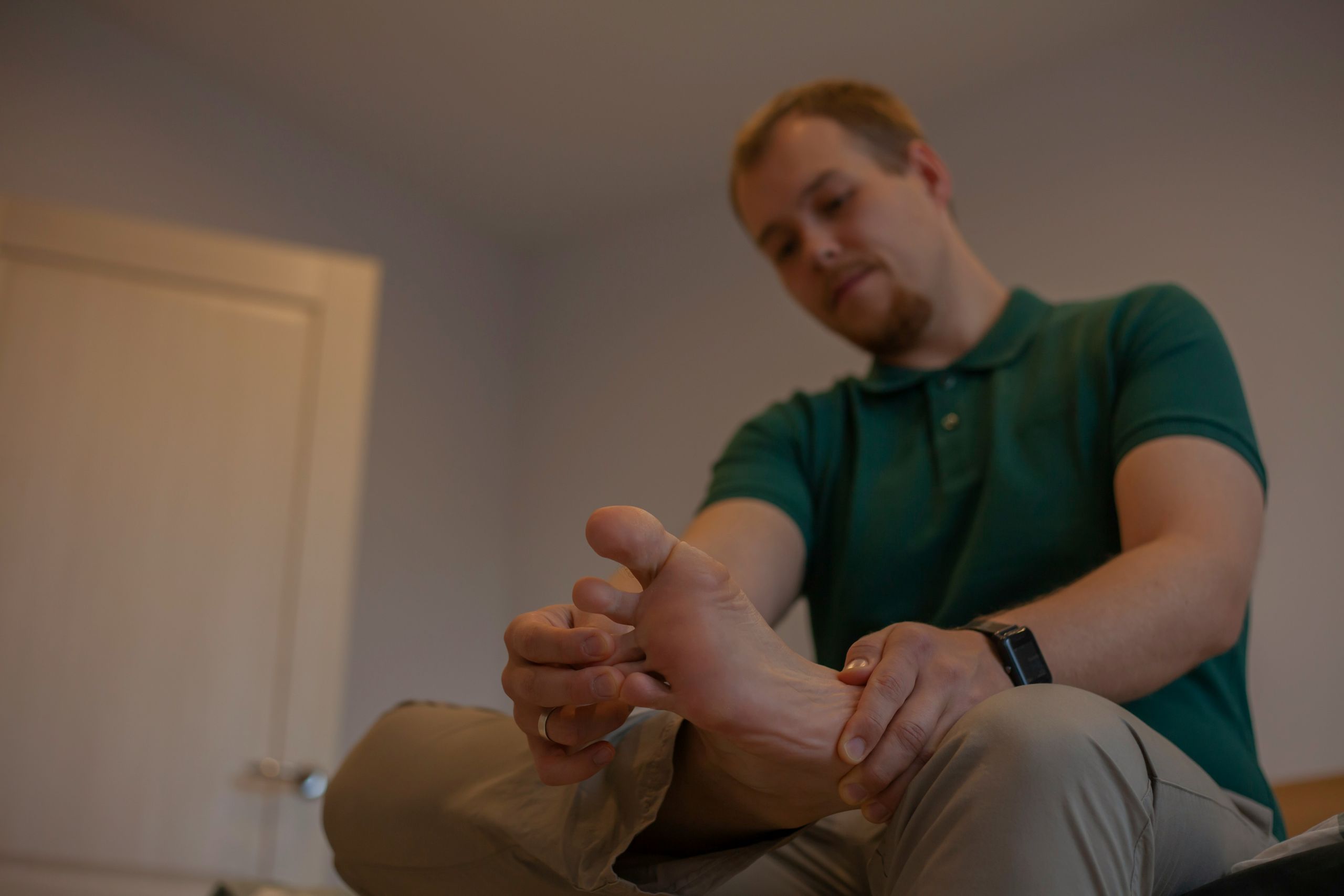
Arch pain is one of the most common foot complaints we see at Central Arkansas Foot and Ankle Specialists. While some people experience mild soreness after a long day on their feet, others deal with persistent discomfort that affects their ability to walk, exercise, or even complete everyday tasks comfortably. The arch of the foot plays a major role in absorbing shock, supporting body weight, and maintaining balance, so when pain develops in this area, it should not be ignored.
Understanding the causes of arch pain and learning how to treat it early can help prevent long term issues and keep you moving comfortably throughout your daily routine.
What Causes Arch Pain?
The arch of the foot is made up of muscles, ligaments, tendons, and bones that work together to provide support and flexibility. When these structures become strained or inflamed, arch pain can develop gradually or appear suddenly after increased activity.
Several conditions and lifestyle factors may contribute to discomfort in the arch.
Plantar Fasciitis
One of the leading causes of arch pain is plantar fasciitis. The plantar fascia is a thick band of tissue that runs along the bottom of the foot and supports the arch. Repetitive strain, prolonged standing, or poor footwear can irritate this tissue, causing pain that often feels worse in the morning or after periods of rest.
Many patients seeking arch pain relief are actually dealing with early symptoms of plantar fasciitis without realizing it.
Flat Feet
Flat feet pain is another common contributor to arch discomfort. When the arches collapse or flatten excessively, the foot loses stability and places additional stress on muscles and tendons. This often leads to fatigue, soreness, and inflammation after walking or standing for extended periods.
Flat feet may develop over time or be present from childhood. Without proper support, symptoms often worsen as activity levels increase.
Overuse and Increased Activity
Sudden increases in physical activity can strain the structures that support the arch. Long walks, running, exercise routines, and standing for long work shifts can all contribute to inflammation and discomfort.
This is especially common during warmer months when people become more active outdoors.
Poor Footwear
Shoes that lack proper cushioning or support can place excessive stress on the arches. Flat sandals, worn athletic shoes, and unsupportive footwear often contribute to foot arch pain treatment needs later on.
Supportive shoes are one of the most important parts of protecting overall foot health.
Symptoms of Arch Pain
Arch pain may present differently depending on the underlying cause. Some patients experience dull aching, while others notice sharp or burning pain during movement.
Common Symptoms Include:
- Pain along the bottom of the foot
- Soreness after standing or walking
- Tightness or cramping in the arch
- Swelling or tenderness
- Increased discomfort during exercise
If symptoms continue for more than a few days or begin interfering with daily activities, professional evaluation is recommended.
How Arch Pain Is Treated
The best foot arch pain treatment depends on the underlying cause of the condition. Early care is important because untreated arch pain can eventually affect your gait, posture, and overall mobility.
Supportive Footwear
Proper footwear is one of the most effective tools for arch pain relief. Shoes with cushioning, stability, and arch support for feet help reduce strain on muscles and connective tissues.
Patients with flat feet or high arches often benefit from more structured footwear that improves alignment and shock absorption.
Custom Orthotics
Custom orthotics provide additional arch support for feet by redistributing pressure more evenly across the foot. Orthotics can improve stability, reduce inflammation, and help correct underlying biomechanical issues contributing to pain.
Many patients notice significant improvement in comfort once proper support is added.
Stretching and Strengthening
Tight muscles in the feet and calves can worsen arch pain. Stretching exercises improve flexibility and reduce tension on the plantar fascia and surrounding tissues.
Strengthening exercises for the feet and ankles also help improve stability and prevent future strain.
Activity Modification
Reducing repetitive impact and allowing the foot time to recover can help decrease inflammation. This may include temporary changes to exercise routines or standing habits while healing occurs.
When to See a Specialist
Occasional soreness may improve with rest, but persistent arch pain should not be ignored. Pain that continues to worsen or interferes with walking may indicate a more serious structural issue that requires professional care.
At Central Arkansas Foot and Ankle Specialists, we evaluate the causes of arch pain through physical examination, gait analysis, and personalized treatment planning. Our goal is to identify the source of discomfort and create a solution that supports long term mobility and comfort.
Protect Your Feet Before Pain Gets Worse
Your arches play an important role in every step you take. Ignoring discomfort can lead to worsening pain, instability, and additional strain throughout the body.
If you are experiencing ongoing discomfort or looking for effective arch pain relief, schedule an appointment with Central Arkansas Foot and Ankle Specialists today. Our team is here to provide expert foot arch pain treatment and help you stay active, comfortable, and supported every step of the way.