
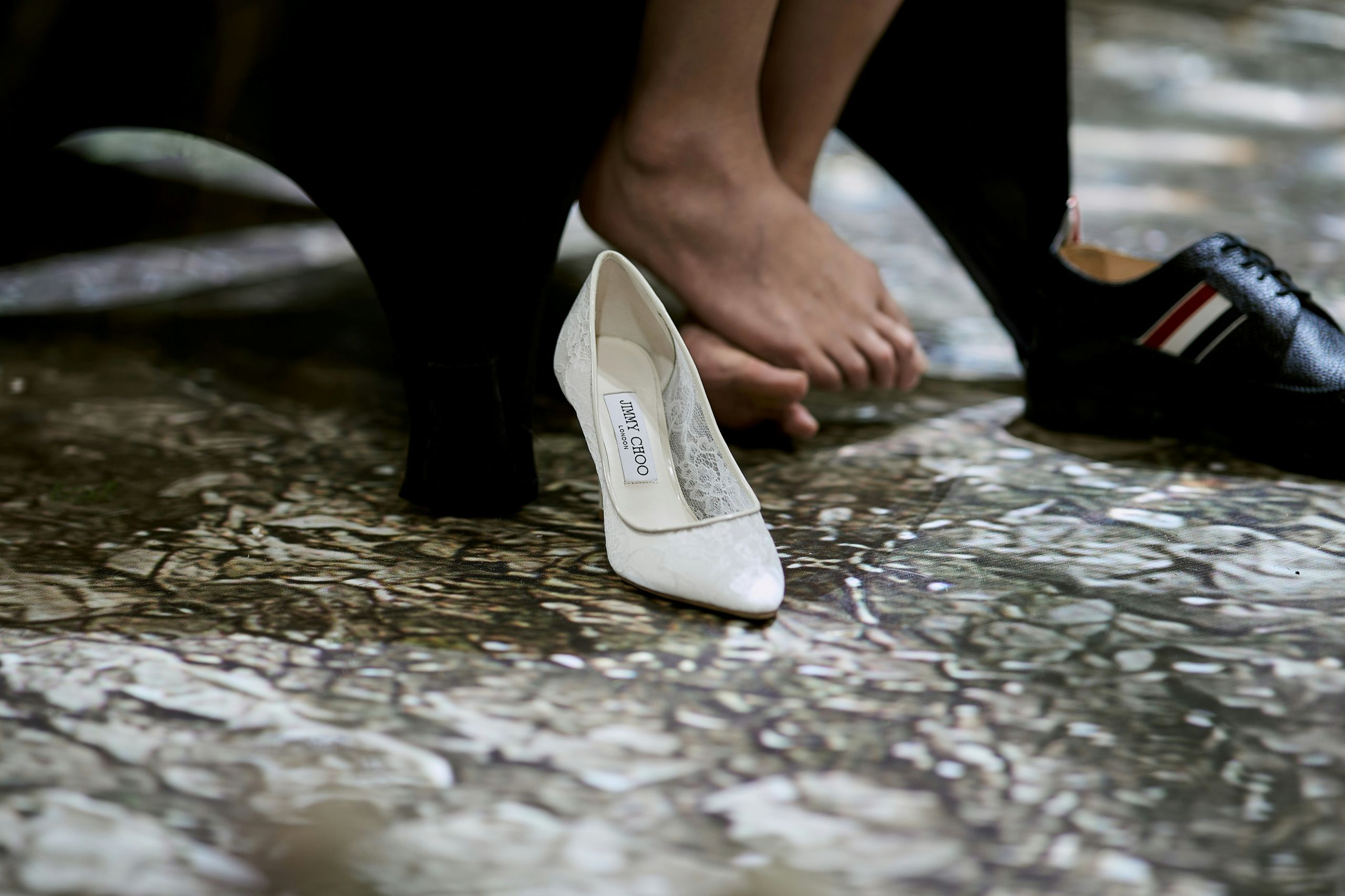
Have you ever been relaxing on the couch when your toes suddenly curl and tighten without warning? Maybe it happened during a walk around your neighborhood, in the middle of the night, or while exercising. Toe cramps are surprisingly common, yet many people dismiss them as nothing more than a minor inconvenience.
At Central Arkansas Foot and Ankle Specialists, we see patients throughout Arkansas who are frustrated by recurring cramps that interfere with their daily activities. While occasional cramping may not be a cause for concern, frequent episodes can point to an underlying problem that deserves attention.
Understanding why your toes cramp and knowing what you can do about it can help you stay comfortable and prevent more serious foot issues from developing.
What Causes Toe Cramps?
Toe cramps occur when the muscles in your feet contract involuntarily. These contractions can last anywhere from a few seconds to several minutes and may cause significant discomfort.
Several factors can contribute to toe cramps, and identifying the underlying cause is often the first step toward finding relief.
Dehydration
One of the most common causes of muscle cramping is dehydration. Your muscles rely on fluids and electrolytes to function properly. When your body loses too much water, muscles can become more susceptible to sudden contractions.
This is especially common during the summer months when higher temperatures and increased activity levels lead to greater fluid loss.
Muscle Fatigue
Your feet work harder than most people realize. Every step requires a coordinated effort from multiple muscles, tendons, and joints.
Spending long hours standing, walking, exercising, or participating in recreational activities can overwork these muscles and increase the likelihood of cramping. This is one reason why foot care becomes especially important during periods of increased activity.
Poor Circulation
Blood flow plays an important role in muscle function. When circulation is compromised, muscles may not receive the oxygen and nutrients they need to function efficiently.
Poor circulation can contribute to cramping, numbness, tingling, and other uncomfortable symptoms that affect the feet and toes.
Improper Footwear
Your shoes can have a greater impact on your foot health than you might expect. Tight shoes can compress nerves and muscles, while footwear that lacks proper support can place excessive strain on the foot.
Many patients who seek foot and ankle treatment discover that changing their footwear significantly reduces their symptoms.
When Toe Cramps Could Signal a Bigger Problem
Occasional cramping is usually harmless, but recurring symptoms should not be ignored.
Frequent toe cramps may be associated with:
- Nerve compression
- Diabetes
- Circulation problems
- Electrolyte imbalances
- Structural foot abnormalities
If cramping is becoming more frequent or severe, a professional evaluation can help determine whether an underlying medical condition is contributing to the problem.
Simple Ways to Reduce Toe Cramps
Fortunately, there are several practical steps you can take to reduce the likelihood of cramping.
Stay Hydrated Throughout the Day
Hydration affects every muscle in your body, including those in your feet. Drinking enough water is one of the simplest ways to support healthy muscle function.
If you spend time outdoors or participate in physical activities, your fluid needs may be higher than usual.
Stretch Your Feet Regularly
Stretching helps maintain flexibility and reduces muscle tension. Simple exercises such as pulling your toes back gently or stretching your calves can improve mobility and decrease the risk of cramping.
Even a few minutes of stretching each day can have a noticeable impact.
Wear Supportive Shoes
Proper footwear provides stability and reduces unnecessary stress on the muscles and tendons in your feet.
Shoes should fit comfortably, provide adequate arch support, and offer enough room for your toes to move naturally. Many foot and ankle care issues begin with poorly fitting shoes.
Pay Attention to Activity Levels
Increasing activity too quickly can overwhelm the muscles in your feet. If you’re starting a new exercise program or spending more time on your feet, gradually increasing your activity level allows your body to adapt more comfortably.
How a Specialist Can Help
Persistent cramping should not become your new normal.
At Central Arkansas Foot and Ankle Specialists, we evaluate the structure and function of your feet to identify possible causes of discomfort. Sometimes the solution is as simple as improving footwear. In other cases, custom orthotics or a more comprehensive treatment plan may be recommended.
As a trusted podiatrist in Arkansas, our goal is to identify the root cause of your symptoms and create solutions that fit your lifestyle.
Ignoring recurring cramps can allow minor issues to become more significant over time. Early evaluation often leads to better outcomes and faster relief.
Don’t Let Toe Cramps Slow You Down
Your feet carry you through every part of your day, and persistent cramping shouldn’t be something you simply learn to live with.
If you’re experiencing recurring toe cramps, schedule an appointment with Central Arkansas Foot and Ankle Specialists today. Our experienced team provides comprehensive foot care and personalized foot and ankle treatment designed to keep you moving comfortably.
Let’s work together to keep your feet healthy, strong, and ready for whatever comes next.