
Helping folks in Central Arkansas live a life without foot pain.
By utilizing personalized treatment plans to address everyone's specific needs, and by breaking down the social barriers that separate doctor from patient, CAFAS helps the folks of Central Arkansas live a life without foot pain.
Find Our Office
Fill Out Paperwork
Pay Your Bill
What We Treat
Your foot and ankle health is our priority! Central Arkansas Foot and Ankle Specialists is a full-service podiatry clinic with the mission to treat our patients like humans, not test subjects.
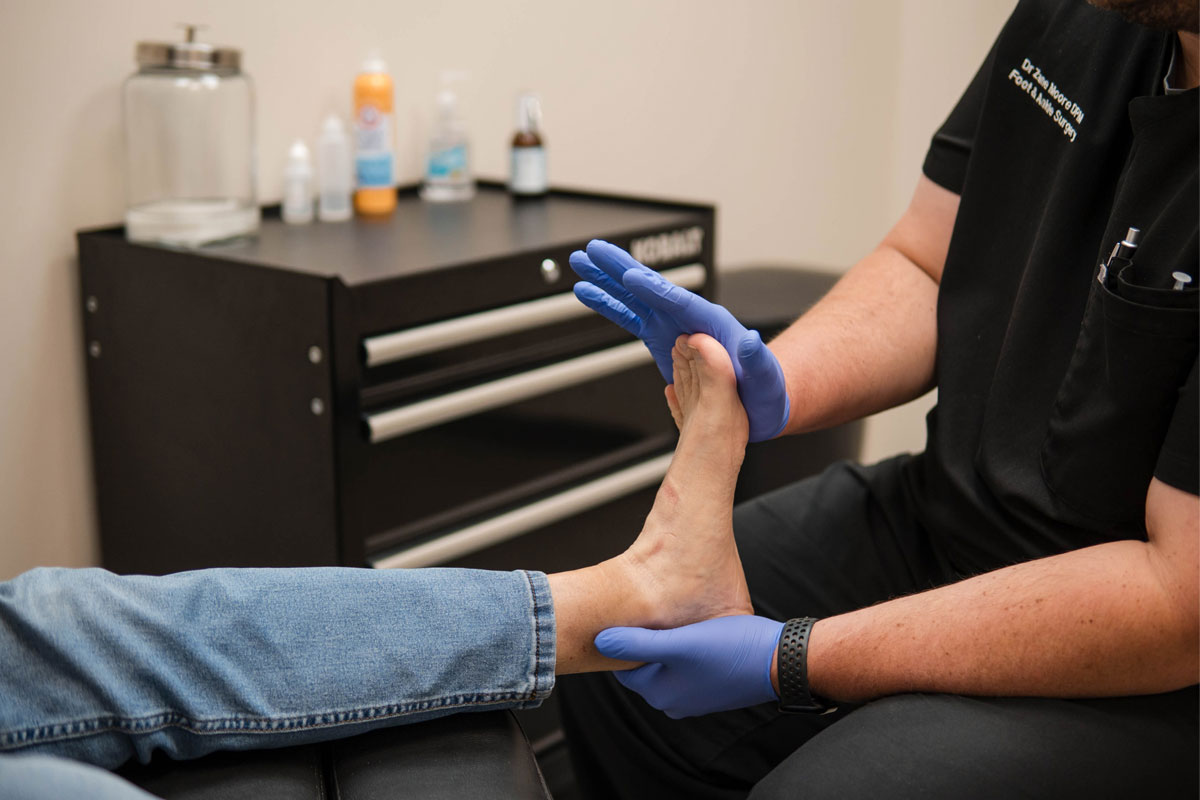
Heel and Arch Pain
Bunions
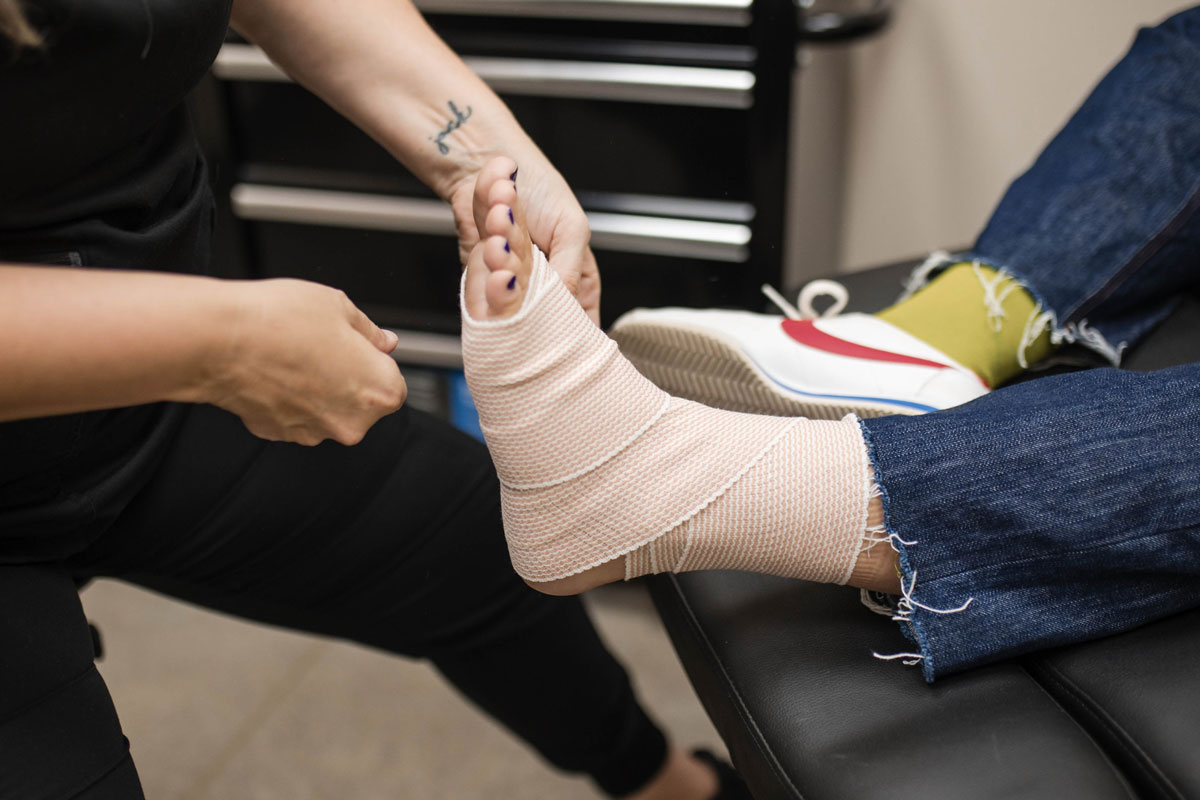
Sports Injuries
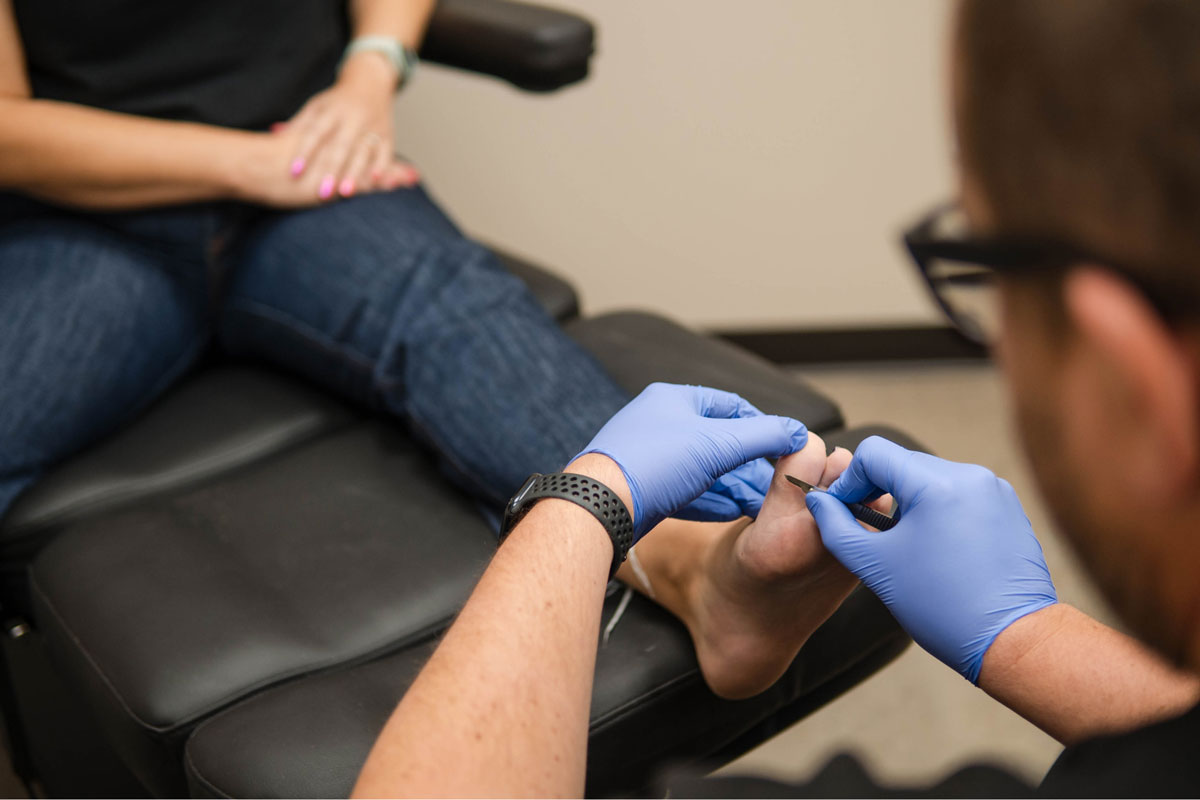
Ingrown Toenails
Everything Foot and Ankle
ankle sprains
arthritis
athlete's foot
corn & calluses
custom orthotics
flat feet
foot fatigue
fractures
fungal nails
hammer toes
morton's neuroma
tendinitis
pediatric issues
peripheral neuropathy
skin conditions
warts
wound care
ankle sprains
arthritis
athlete's foot
corn & calluses
custom orthotics
flat feet
foot fatigue
fractures
fungal nails
hammer toes
morton's neuroma
tendinitis
pediatric issues
peripheral neuropathy
skin conditions
warts
wound care
Our Staff Treats You Like a Friend
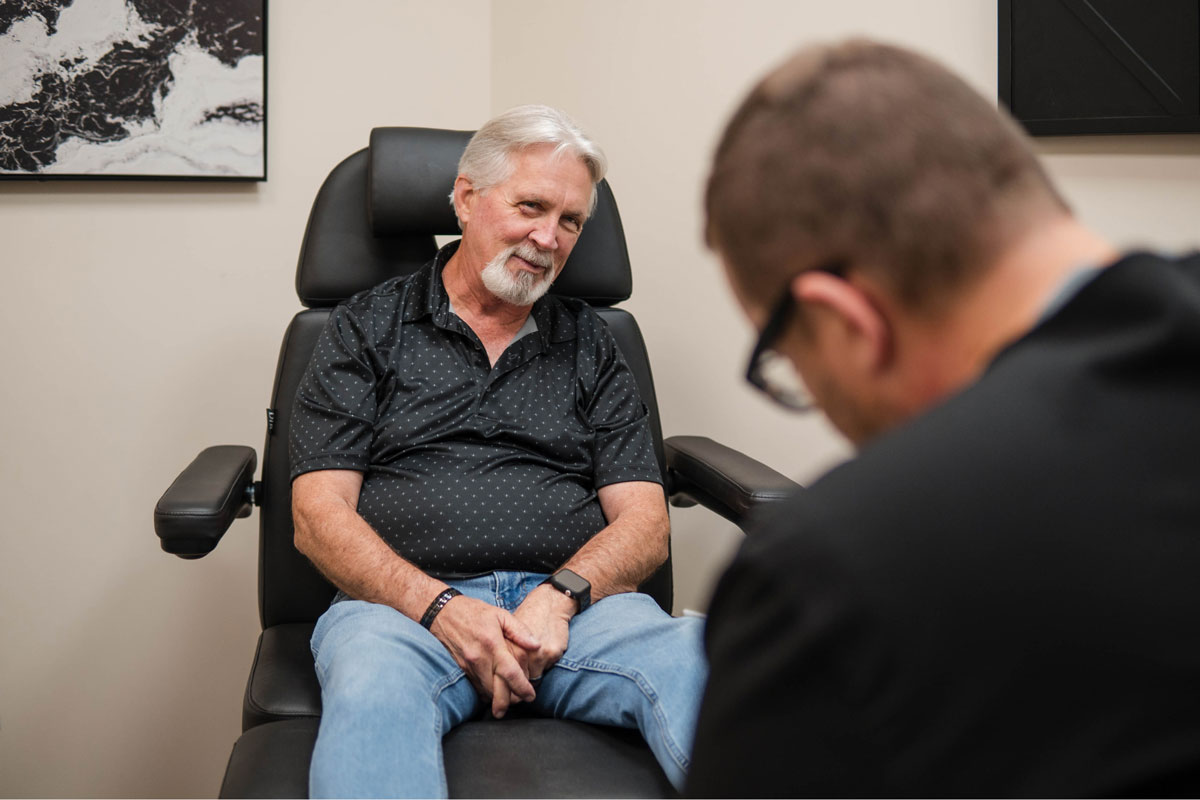
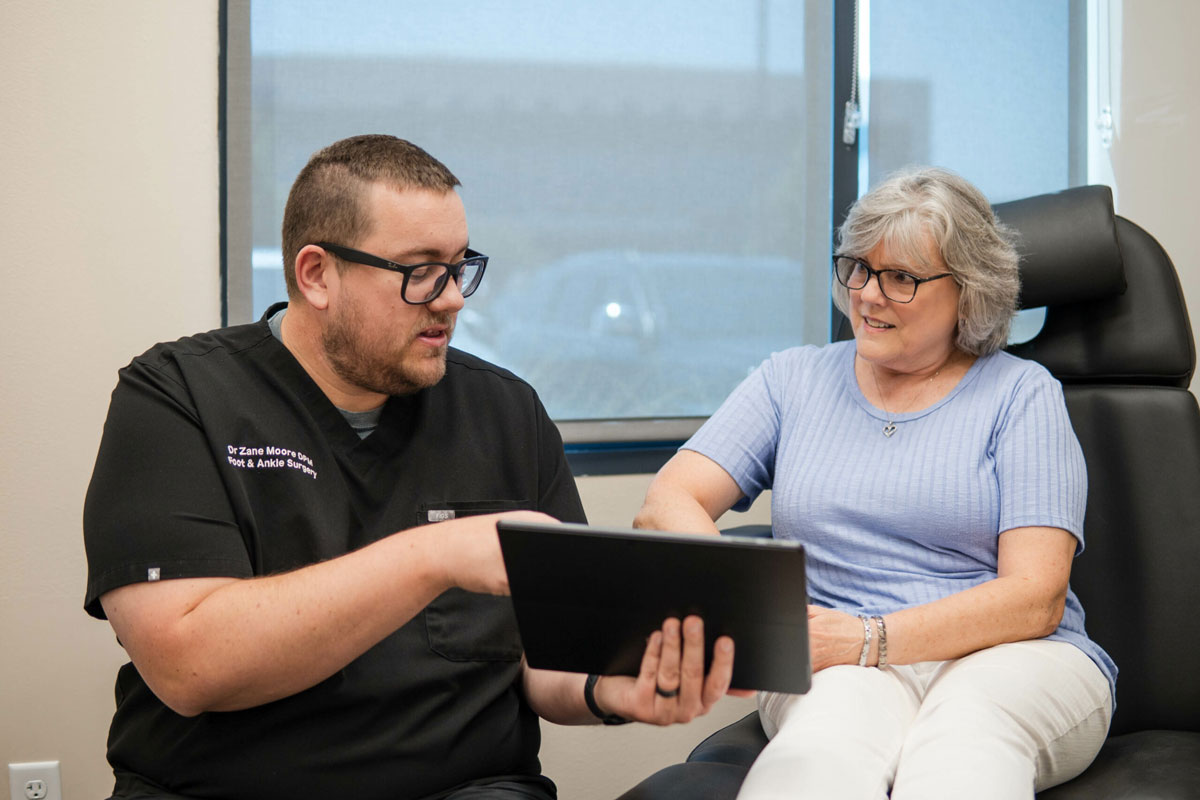
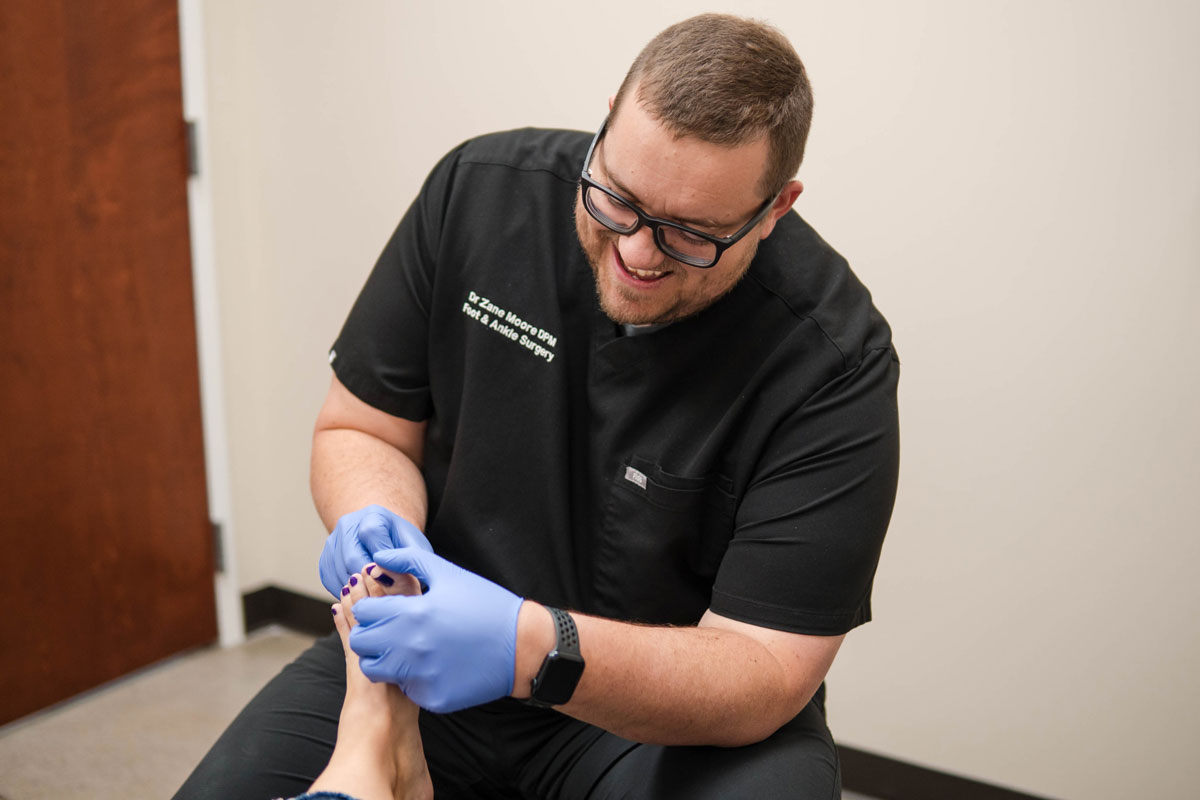
No one likes going to the doctor, but CAFAS is here to change that. As a trusted foot and ankle clinic, we treat our patients like friends. While you’re in our care, we want you to feel comfortable and welcome at the clinic. Your overall well-being is our priority, and that philosophy extends beyond the treatment you’re receiving. Your care will never be put on an assembly line and passed from person to person.
Our Patients Love Us
When you’re at our clinic, you’re not just our patients, you’re our friends. Here, we’re on a first-name basis. When you have a question, we have answers. No beating around the bush, or making you wait to be seen. With Central Arkansas Foot and Ankle Specialists, communication and transparency are key..

Dr Moore and his staff are the best! I’ve known him and worked with him in the OR for years and will only go to him for any foot issues. So good with patients and an excellent Surgeon! We drove over an hour one way to go to him. Well worth it!
- Kacie D
I am diabetic and since I found Dr. Moore (several years ago), I feel he and his staff treat me like family. I have very touchy feet and they all have a gentle touch. Now that he is in Conway, I am happy to drive from Benton to receive such excellent care every ten weeks.
- Dottie D
When I arrived for my appointment I was immediately waited on. The staff was very nice and had all my insurance and necessary information for my visit taken care of already. I was taken to a room with Dr. Moore coming in shortly after for consult. He was very attentive and listened to all my concerns. I was taken care of well. I'm so glad I chose to go here. I will be going to this facility again.
- Ginger L
Exceptional office! Staff is SUPER friendly and Dr. Moore is great! I got to where I couldn't hardly walk on my foot. I had seen a different dr before I went to see Dr. Moore and they thought I had gout. I ended up making an appt with Dr. Moore and he did more xrays and found a small crack on the top of my foot. He put me in a boot for a long time, (seems like) and even though I wasn't a good patient at times, Dr. Moore was very patient with me. If your looking for a foot dr, he's the one. He cares about his patients!
- Jamie L
Give this kind-hearted doctor (Dr. Moore) a call if you find yourself in pain and in need of a competent podiatric foot and ankle surgeon. He cares deeply about his patients, does his best to maximize conservative treatment and only operates when absolutely necessary, all attributes that speak to his quality character.
- David A
Friendly, Caring, Professional, Knowledgeable, Provider and Staff! Dr. Moore and his girls are Wonderful! The ONLY Foot & Ankle Doc/Surgeon for me and my family!
- Britt K
Dr. Moore and his staff are very excellent, I have been dealing with Dr.Moore for years and he has done everything he could to fix me up and make me brand new, and every time it has worked..he is an excellent doctor I would recommend him to anyone because he is without a doubt a wonderful foot and ankle specialist..
- Anjil D
This Conway clinic is a huge blessing for me and answer to my prayers. Dr. Moore isolated my foot problems immediately, and treated it. He is friendlly, kind, and professional. His clinic will be a major asset in Conway and the River Valley area. Now, I can see a brighter future without major pain. The staff were extremely helpful too. They took the time to answer all my questions. Thank you Dr. Moore and staff for your help.
- Robin R
Feel the same way?
Leave us a review!
We accept all major insurance providers.
If you don't see your insurance, please call us to verify insurance acceptance.





Aetna
Ambetter/Allwell
Anthem
Arkansas Medicaid
Arkansas PASSE
BCBS (Commercial and Federal)
Centene/Qualchoice
Cigna
Humana
Medicare
Medicare-Railroad
Municipal Health
Tricare
Trustmark
Union Pacific
United
VA Community Care
Zelis
Aetna
Ambetter/Allwell
Anthem
Arkansas Medicaid
Arkansas PASSE
BCBS (Commercial and Federal)
Centene/Qualchoice
Cigna
Humana
Medicare
Medicare-Railroad
Municipal Health
Tricare
Trustmark
Union Pacific
United
VA Community Care
Zelis
Our Office
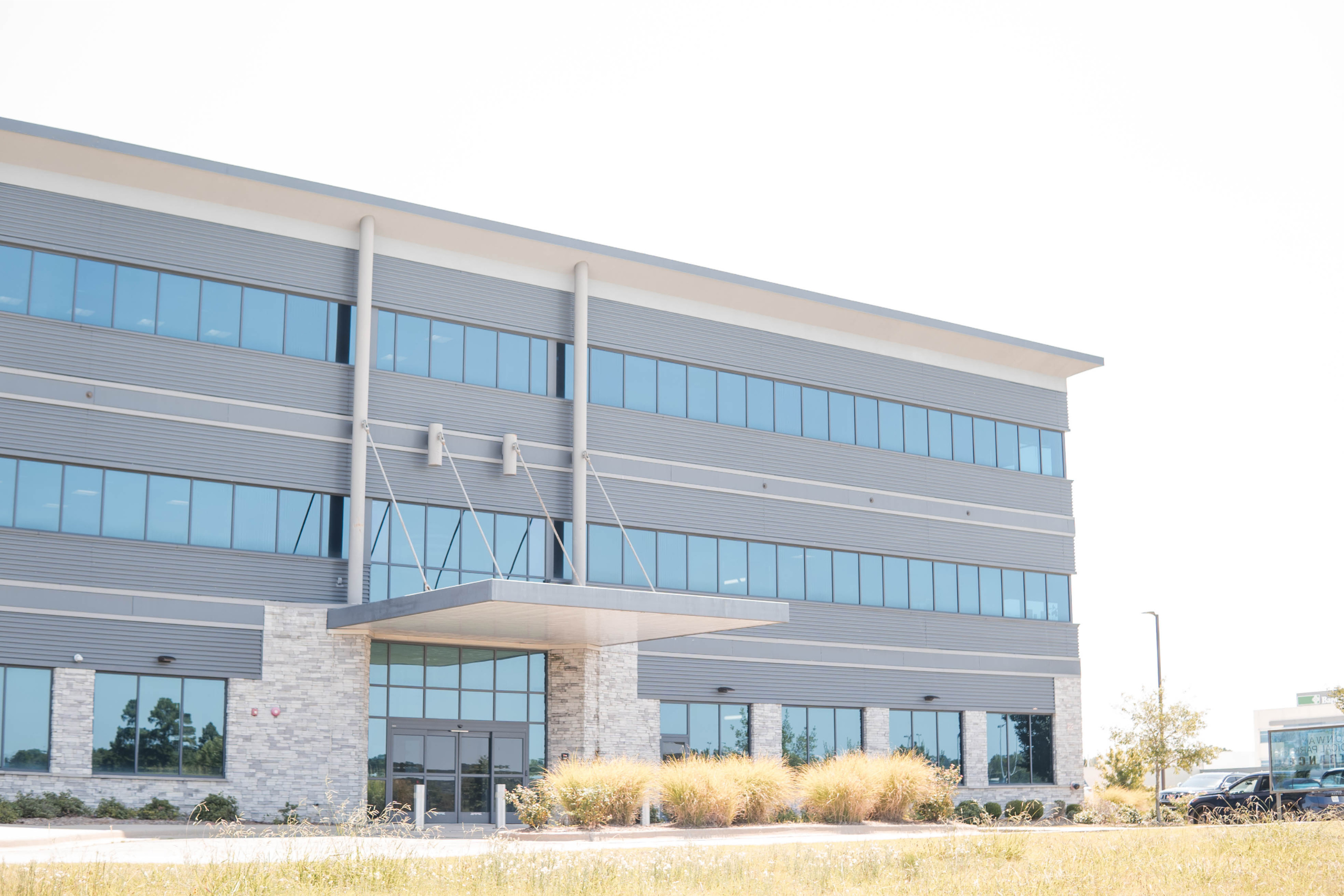
650 United Drive
Suite 110
Conway, AR 72032
Mon-Thurs: 8AM-5PM
Friday: 8AM-12:30PM
Sat-Sun: Closed
Located right next to Baptist Health Medical Center in Conway, Arkansas, CAFAS proudly helps patients in Central Arkansas live a life without foot pain.
Latest On The Blog
We strive to keep our patients informed and empowered when it comes to their foot health. From common conditions to preventative care tips, our blog is a trusted resource for learning more about how to care for your feet. Proudly serving patients in Conway, Arkansas and the greater Little Rock area.
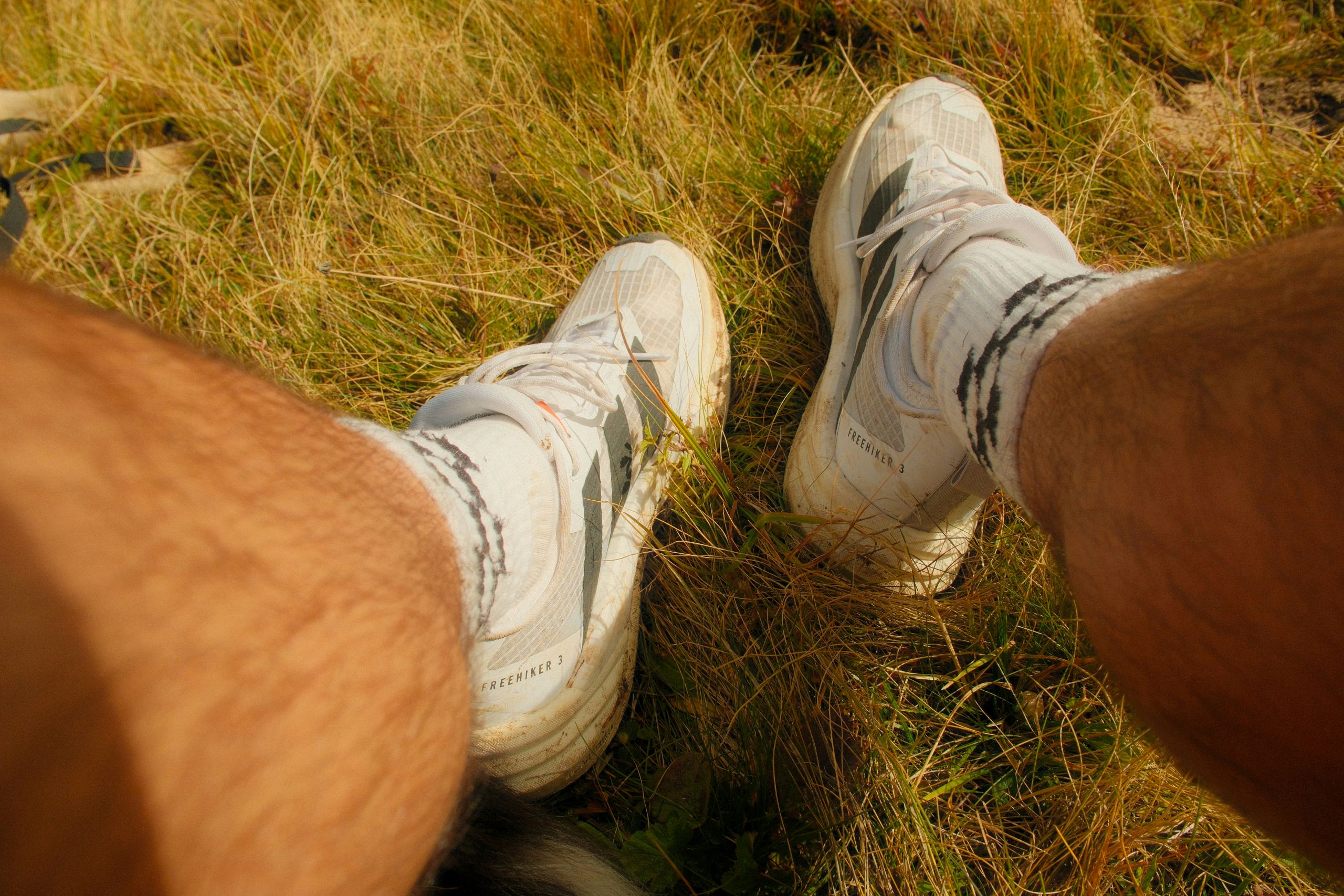
Why Do My Feet Hurt After Walking on Uneven Ground?
Walking on a smooth, predictable surface is very different from walking across gravel, grass, trails, loose dirt, or other uneven terrain. When the ground changes beneath your feet, your muscles and joints have to make constant adjustments to keep you balanced.
That extra work can leave your feet and ankles feeling sore after a long walk. For some people, occasional discomfort is simply the result of increased activity. For others, uneven ground exposes an underlying problem involving foot mechanics, muscle weakness, or ankle stability.
At Central Arkansas Foot and Ankle Specialists, we help patients understand why pain develops and what can be done when discomfort does not go away on its own.
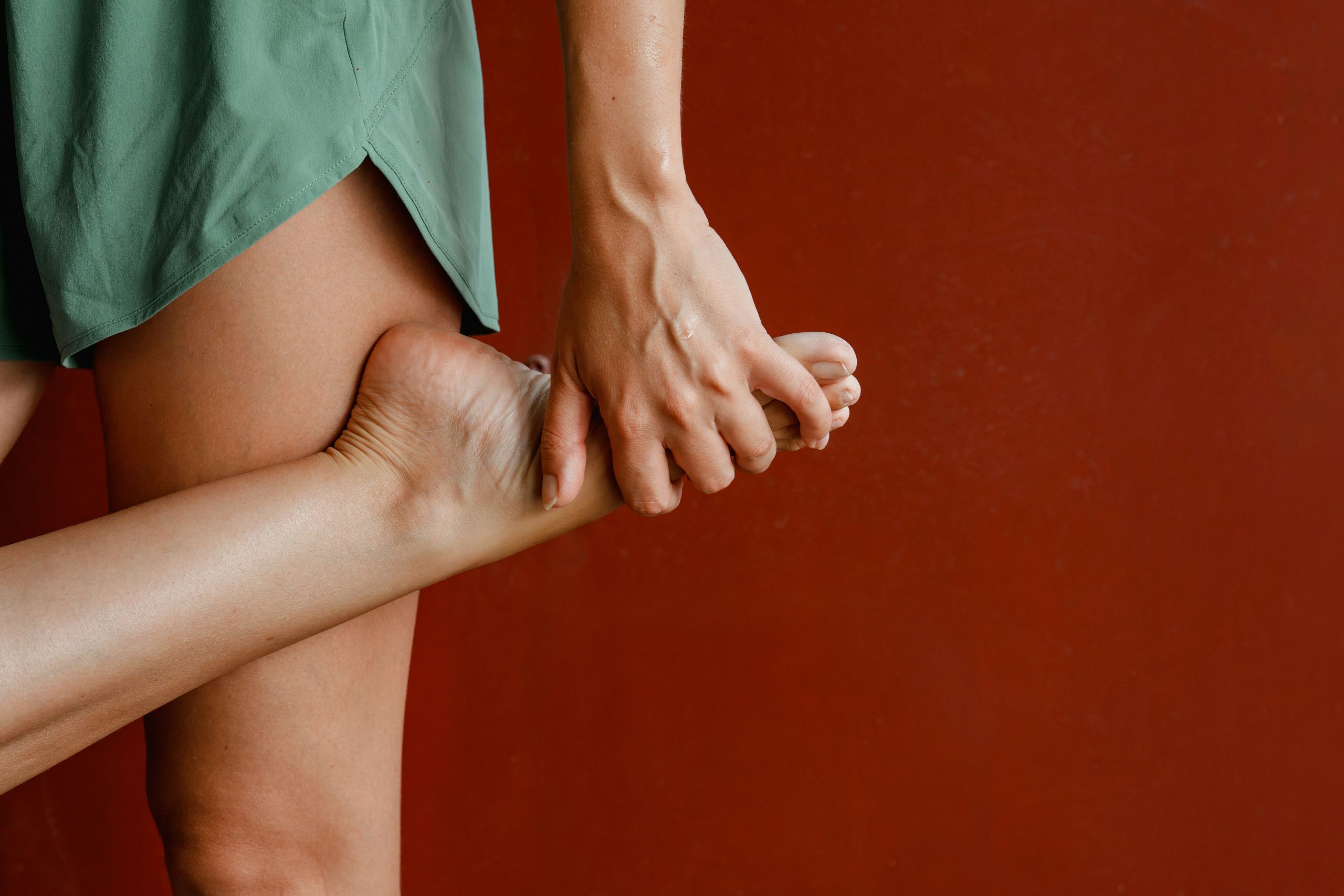
Corns vs. Calluses: What’s the Difference?
Corns and calluses are two of the most common problems affecting the skin of the feet. They can both develop when repeated pressure or friction causes the skin to thicken, and because they can look similar, many people use the terms interchangeably.
However, corns and calluses are not exactly the same. Their appearance, location, and symptoms can differ, and understanding the difference can help you determine when simple changes to your footwear may be enough and when professional care may be appropriate.
At Central Arkansas Foot and Ankle Specialists, we regularly evaluate painful areas of thickened skin and help patients identify the underlying cause. Effective foot care is not only about treating the thickened skin itself. It is also about addressing the pressure or friction that caused it.

How to Recognize a Sprained Ankle
An ankle sprain can happen in a moment. A missed step, an uneven surface, a sudden change in direction, or an awkward landing can force the ankle beyond its normal range of motion. Some sprains are relatively mild and improve with conservative care, while others involve significant ligament damage and require professional evaluation.
Knowing the common sprained ankle symptoms can help you recognize when an injury needs more attention. It is also important to understand that ankle pain does not always mean you have a sprain. Fractures, tendon injuries, and other conditions can cause similar symptoms, which is why persistent or severe pain should not be ignored.
At Central Arkansas Foot and Ankle Specialists, we evaluate ankle injuries and help patients understand the extent of an injury and the appropriate next steps for recovery.

How Aging Changes Your Feet
As we get older, changes in our feet can be easy to overlook. A little more stiffness in the morning, occasional swelling after a long day, or shoes that no longer feel as comfortable may seem like normal parts of aging. While some changes are expected, persistent foot discomfort should not simply be accepted as something you have to live with.
Your feet support your body through thousands of steps every day. Over time, changes in the skin, muscles, bones, joints, tendons, and circulation can affect how your feet function. Understanding these changes can help you recognize problems earlier and take better care of your feet.
At Central Arkansas Foot and Ankle Specialists, our goal is to help patients maintain comfortable, functional feet throughout every stage of life. With appropriate foot and ankle care, many age-related problems can be managed before they interfere with daily activities.