
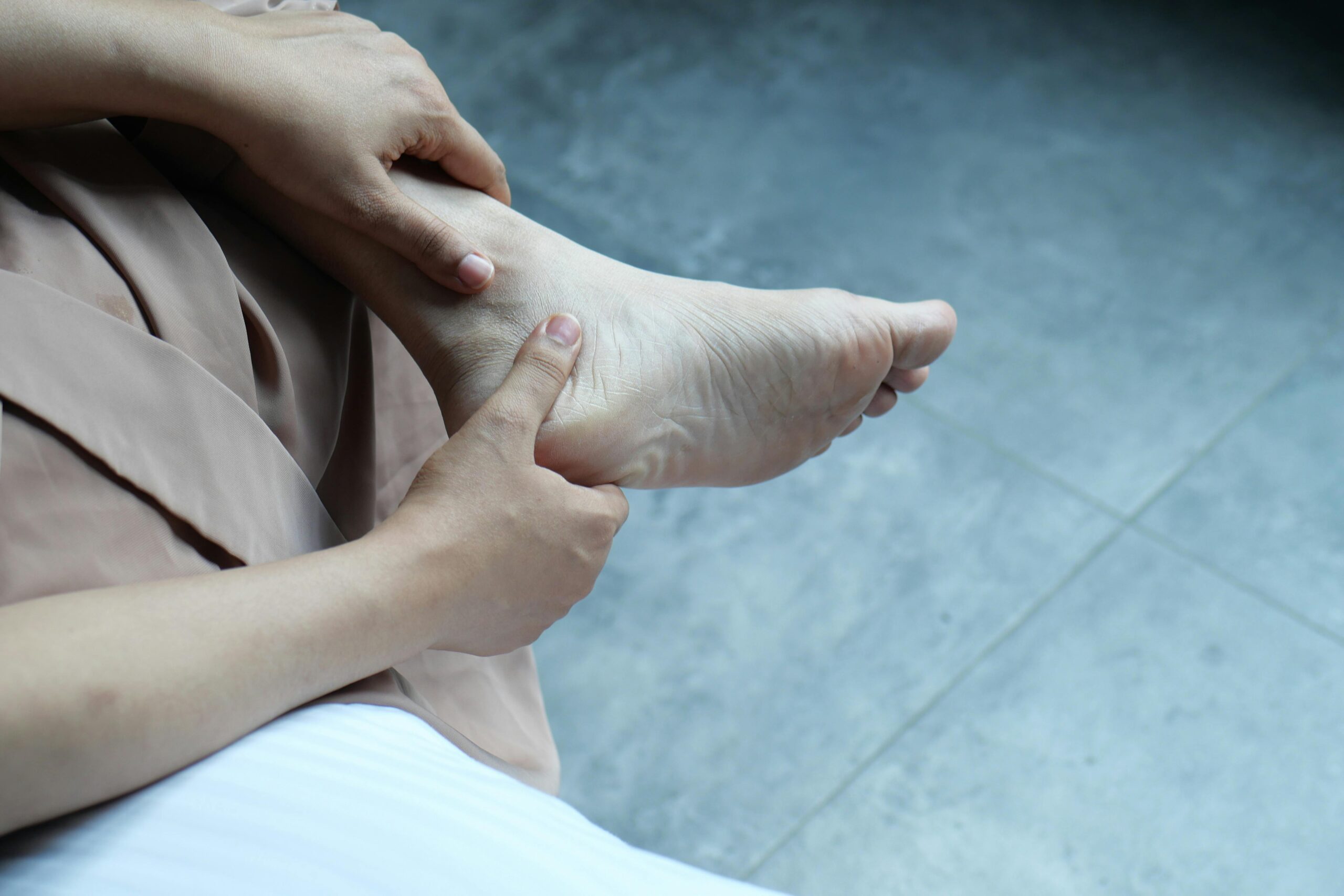
As the weather improves and activity levels increase, many people begin to notice a familiar issue: fatigued, sore, and tired feet. Whether you are walking more, exercising outdoors, or simply spending more time on your feet, this seasonal shift often places additional stress on your muscles, joints, and connective tissues. At Central Arkansas Foot and Ankle Specialists, we regularly help patients manage foot fatigue before it develops into more serious conditions.
Understanding why foot fatigue occurs and how to manage it effectively can help you stay active, comfortable, and pain-free as your daily routine becomes more demanding.
Why Foot Fatigue Happens
Foot fatigue is often the result of overuse. After periods of lower activity, such as colder months or sedentary routines, your feet may not be conditioned for sudden increases in movement. When activity levels rise quickly, the muscles in your feet and lower legs can become overworked, leading to soreness, stiffness, and discomfort.
Your feet absorb the impact of every step you take. Without proper support, cushioning, and conditioning, that repeated stress builds up over time. This can lead not only to fatigue, but also to inflammation and strain in key structures like the arches, heels, and tendons.
Contributing Factors for Tired Feet
Tired feet can also be an early sign that your shoes, activity level, or foot support are not matching what your body needs. Several factors can increase your risk of foot fatigue as activity levels rise:
- Wearing worn-out or unsupportive shoes
- Sudden increases in walking, running, or standing
- Poor foot alignment or gait issues
- Lack of stretching or muscle conditioning
- Long work hours spent on hard surfaces
When these factors combine, the feet are forced to work harder than they should, leading to faster fatigue and reduced performance.
Common Symptoms of Foot Fatigue
Foot fatigue does not always present as sharp pain. In many cases, it begins with subtle discomfort that gradually worsens throughout the day.
What to Watch For
You may notice:
- Aching or soreness in the arches or heels
- A heavy or tired sensation in your feet
- Mild swelling after activity
- Tightness in the calves or ankles
- Discomfort that improves with rest but returns with activity
These symptoms are often early warning signs that your feet need better support or recovery.
How to Reduce Foot Fatigue
The best way to manage tired feet is to look at what may be causing the strain in the first place. For some people, that means better shoes. For others, it may mean custom orthotics, stretching, or adjusting daily activity. The good news is that foot fatigue is highly manageable with the right approach. Making small adjustments to your daily routine can significantly improve comfort and prevent more serious problems.
Wear Supportive Footwear
Your shoes play a critical role in reducing foot fatigue. Footwear should provide proper arch support, cushioning, and stability. Shoes that are too flat, too worn, or poorly fitted can increase strain on your feet and accelerate fatigue.
Replacing worn shoes and choosing footwear designed for your activity level can make an immediate difference. For individuals with specific foot structures, custom orthotics can provide additional support and improve overall alignment.
Increase Activity Gradually
One of the most effective ways to prevent foot fatigue is to ease into higher activity levels. Gradually increasing your walking distance, workout intensity, or time spent standing allows your muscles to adapt and strengthen over time.
Sudden spikes in activity often lead to overuse injuries. A gradual approach helps your body adjust safely, lessening the chances of tired feet.
Stretch and Strengthen
Stretching helps maintain flexibility in the muscles and tendons that support your feet. Calf stretches, toe stretches, and ankle mobility exercises can reduce tightness and improve circulation.
Strengthening exercises, such as toe curls and heel raises, help build endurance and stability. Stronger muscles are better equipped to handle increased activity without fatigue.
Rest and Recovery
Rest is just as important as activity. Giving your feet time to recover allows muscles and tissues to repair and rebuild. Elevating your feet at the end of the day can also reduce swelling and improve circulation.
If you are experiencing consistent fatigue, incorporating short rest periods throughout the day can help prevent symptoms from worsening.
When Foot Fatigue Becomes a Bigger Problem
While occasional fatigue or tired feet is normal, persistent symptoms may indicate an underlying issue. Conditions such as plantar fasciitis, tendon inflammation, or poor foot alignment can develop when fatigue is ignored.
If your discomfort becomes more frequent, more intense, or begins to interfere with your daily activities, it is important to seek professional care. Early intervention can prevent minor fatigue from turning into a chronic condition.
How We Can Help
At Central Arkansas Foot and Ankle Specialists, we take a comprehensive approach to managing tired feet. We evaluate your foot structure, gait, and daily activity patterns to identify the root cause of your discomfort.
Our goal is to help you stay active while protecting your feet from unnecessary stress and injury.
Stay Active Without the Pain
Increasing your activity level should feel rewarding, not painful. By addressing tired feet early and taking proactive steps to support your feet, you can enjoy a more comfortable and active lifestyle. You do not have to wait until tired feet turn into ongoing pain. Getting evaluated early can help protect your comfort, mobility, and overall foot health!
If you are experiencing ongoing foot fatigue or discomfort, schedule an appointment with Central Arkansas Foot and Ankle Specialists today. Our team is here to help you move with confidence and keep your feet performing at their best.