
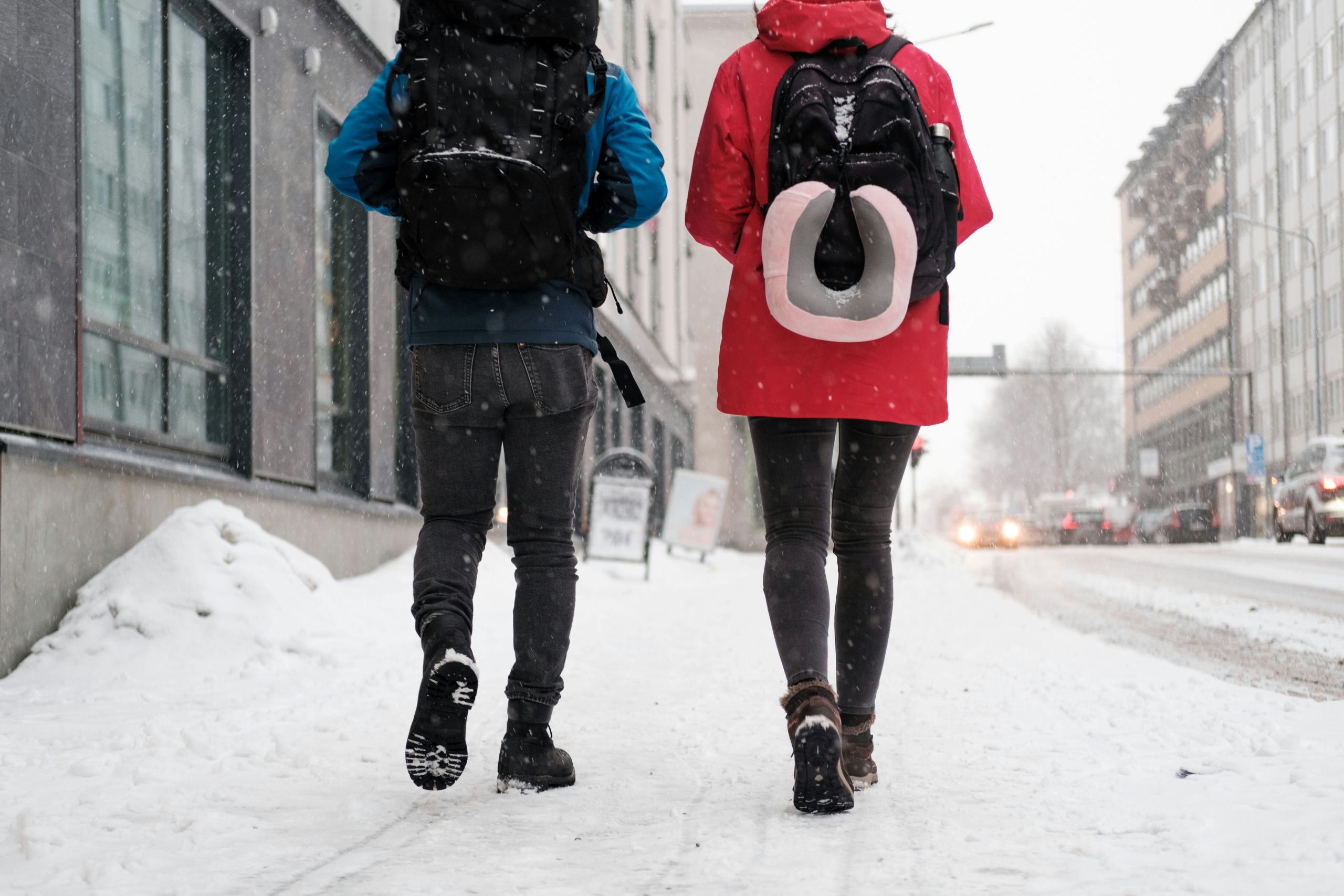
As temperatures drop, some people notice that their feet and ankles feel stiffer, more uncomfortable, or simply harder to get moving. This can be especially noticeable when stepping outside on a cold Arkansas morning or spending time outdoors during winter activities.
Cold temperatures can change how your body responds to the environment. Muscles and joints may feel less flexible, circulation can be affected, and existing sources of foot pain may become more noticeable.
Cold weather does not necessarily create a new foot problem, but it can make an existing condition feel worse. Understanding that connection can help you take practical steps toward protecting your feet during colder months.
Why Does Cold Affect Your Feet?
Your body naturally responds to cold by changing blood flow to help preserve core temperature. Blood vessels in the extremities can narrow, which may leave the hands and feet feeling colder.
Cold can also make muscles, tendons, and joints feel stiffer. If you already have a foot or ankle problem, this stiffness may make normal movement less comfortable.
People with joint conditions may notice increased stiffness during cold weather, while individuals dealing with circulation concerns may be particularly aware of cold feet or changes in sensation.
The relationship between weather and pain varies from person to person. Even so, if your symptoms consistently worsen during cold conditions, it is worth considering what might be contributing.
Existing Foot Problems May Become More Noticeable
People managing plantar fasciitis, arthritis, tendon problems, previous injuries, or other chronic conditions may notice that discomfort is more apparent in colder weather.
Heel pain can feel particularly bothersome when you get out of bed and begin walking after your feet have been still. Cold temperatures may add to that sense of stiffness, making the first few steps uncomfortable.
This does not mean that weather is damaging your feet. Instead, temperature changes may make the symptoms of an underlying condition more noticeable.
If you regularly experience discomfort regardless of the weather, professional evaluation may help identify the actual cause and determine whether foot pain treatment is appropriate.
Practical Winter Foot Care Tips
Keeping your feet warm is a simple starting point. Choose socks and shoes appropriate for the conditions, especially when spending extended periods outside.
Warmth alone, however, is not the only consideration. Your shoes should fit properly and provide adequate support. Tight footwear can create pressure around the toes and restrict comfort, while poorly supported shoes may contribute to additional strain.
It is also helpful to maintain regular movement. Gentle activity can reduce stiffness and keep your feet and ankles from becoming overly sedentary during colder months.
Moisturizing your feet can also be useful in winter because cold, dry air and indoor heating can contribute to dry skin and cracked heels. Avoid applying moisturizer between the toes, where excess moisture may contribute to skin problems.
When Heel Pain Needs Attention
Cold weather can make existing heel pain more noticeable, but recurring pain should not automatically be blamed on the temperature.
Heel pain that appears regularly, interferes with walking, or continues despite changes in footwear and activity may require evaluation. There are several potential causes of heel discomfort, and the right treatment depends on what is actually causing the symptoms.
Heel pain treatments may involve activity modification, stretching, supportive footwear, orthotics, physical therapy, or other approaches depending on the diagnosis.
Trying to simply tolerate the pain through the winter may allow a manageable problem to become more persistent.
When Cold Feet May Mean More Than the Weather
It is normal for your feet to feel cold when you are outside in low temperatures. However, feet that remain unusually cold, change color significantly, become numb, or develop pain even after you return to a warm environment deserve attention.
Sudden or severe changes, particularly when accompanied by swelling, sores, or significant discoloration, should be evaluated promptly.
A specialist can determine whether symptoms are related to the environment or whether another issue involving circulation, nerves, joints, or soft tissue may be involved.
Protecting Your Feet Through the Colder Months
Winter does not have to mean putting your normal activities on hold. Paying attention to footwear, staying active at a manageable level, keeping your feet warm, and addressing persistent symptoms can all support better foot health.
Central Arkansas Foot and Ankle Specialists provides comprehensive foot and ankle care for patients experiencing pain, stiffness, injuries, and other conditions throughout the year.
If cold weather consistently makes your feet hurt or an existing condition is interfering with your daily routine, schedule an appointment with our team. Understanding the underlying cause is the first step toward finding appropriate treatment and keeping your feet comfortable through every season.