
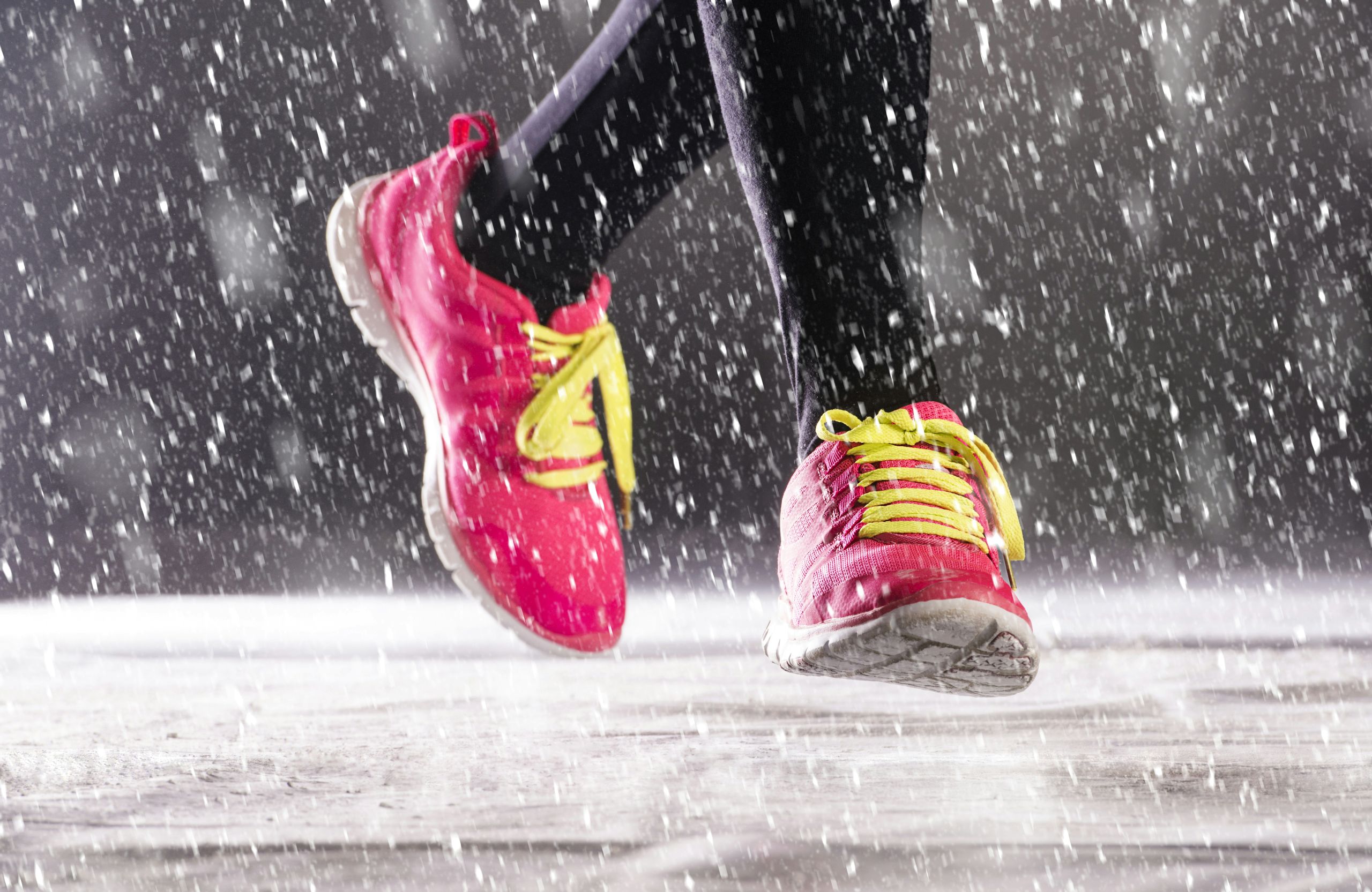
Cold weather can be beautiful, but it also comes with unique challenges for your feet. As temperatures drop in Arkansas, many people underestimate the importance of choosing the right shoes to protect their feet.
Wearing inadequate footwear in winter can lead to discomfort, injuries, and even long-term foot problems. At Central Arkansas Foot and Ankle Specialists, we emphasize that cold weather foot pains and how your choice of footwear matters isn’t just about warmth, it’s about support, safety, and overall foot health.
How Cold Weather Affects Your Feet
The cold can have several effects on your feet. Low temperatures cause blood vessels to constrict, reducing circulation and making your feet feel cold or numb. Reduced circulation can exacerbate conditions like neuropathy, arthritis, or plantar fasciitis, increasing discomfort during daily activities.
Wet or icy conditions also increase the risk of slips and falls, which can lead to sprains, fractures, or ankle injuries. Even small issues, like damp socks or shoes, can cause blisters or fungal infections. Proper cold weather footwear helps prevent these problems by keeping your feet dry, warm, and well-supported, and help protect you from cold weather foot pains entirely.
Warmth and Insulation
One of the main functions of cold weather footwear is to provide insulation. Shoes and boots designed for winter often feature thermal linings, moisture-wicking materials, and thicker soles that trap heat.
Keeping your feet warm improves circulation and reduces stiffness in joints, which can help you maintain mobility during the colder months. Wearing footwear that is too thin or doesn’t provide insulation can make your feet more susceptible to numbness, cold weather foot pains and even frostbite in extreme conditions.
Support and Stability
Cold weather footwear should also offer adequate support for the arches, heels, and ankles. Winter conditions often involve walking on uneven, icy, or slippery surfaces. Shoes with good traction and firm midsoles help stabilize your feet and reduce the risk of slips and falls.
Supportive footwear also helps prevent overpronation or other gait issues that can worsen during winter, especially if you’re spending more time on your feet at work, running errands, or taking winter walks.
Choosing the Right Cold Weather Footwear
Selecting the right shoes for winter isn’t just about style, it’s about functionality and comfort. Here are some factors to consider:
- Material: Waterproof or water-resistant materials prevent moisture from soaking in, keeping your feet dry and reducing the risk of fungal infections or blisters. Leather, treated suede, or synthetic waterproof materials are excellent options.
- Insulation: Thermal linings or removable insoles help retain heat. Wool or synthetic socks paired with insulated boots provide extra warmth.
- Traction: Look for rubber soles with tread patterns designed for ice and snow. Avoid smooth soles that can easily slip on wet surfaces.
- Fit: Boots and shoes should fit comfortably without being too tight, as constriction can reduce circulation and lead to cold, numb feet.
- Support: Firm midsoles, proper arch support, and ankle stability are essential to prevent strain or injury during winter activities.
By paying attention to these factors, you can choose footwear that keeps your feet comfortable, safe, and healthy all season long.
At-Home Tips to Complement Your Footwear
Even with the right shoes, there are steps you can take at home to further protect your feet and avoid cold weather foot pains. Keeping your feet dry and clean, wearing moisture-wicking socks, and performing gentle stretches or foot exercises can improve circulation.
Avoiding prolonged exposure to cold surfaces and elevating your feet after long periods of standing can also help reduce swelling and stiffness.
When to Seek Professional Advice
If you notice persistent coldness, numbness, cold weather foot pains, or swelling in your feet during the winter months, it may be time to consult a specialist. Cold weather footwear is crucial, but it cannot fix underlying circulation problems, nerve issues, or joint conditions.
At Central Arkansas Foot and Ankle Specialists, we assess your foot health, recommend proper footwear, and provide guidance for maintaining healthy feet in any season. Early intervention can prevent minor discomfort from turning into chronic pain or injuries.
Stay Comfortable and Safe This Winter
Cold weather doesn’t have to mean cold, sore, or injured feet. With the right footwear and proactive care, you can enjoy outdoor activities, tackle daily responsibilities, and maintain foot health while avoiding cold weather foot pains even in Arkansas winters. Choosing supportive, insulated, and waterproof shoes is a small investment that makes a big difference for your comfort and long-term foot health. Learn more about how we can offer lasting foot support here.
Schedule an appointment with Central Arkansas Foot and Ankle Specialists today to review your cold weather footwear and overall foot care strategy. We’ll help ensure your feet stay warm, healthy, and ready for all your winter adventures.